The countertop is the stage for daily life in the kitchen, where food is prepped, coffee is spilled, and memories are made. No wonder picking the right material feels like such a big decision. From classic granite and butcherblock to futuristic surfaces that shrug off heat and stains, the options have never been more exciting or more overwhelming.
The Evolution of Kitchen Countertop Materials
Kitchen countertops have changed dramatically over the decades. What was once purely functional is now a vital design element, setting the tone for the entire space. Early kitchens relied on wood and simple stone. As technology and style preferences evolved, so did the materials, giving rise to engineered surfaces and ultra-modern composites that promise longevity and stunning aesthetics.
Traditional Choices: The Rise of Natural Stone
Granite: Timeless Durability and Elegance
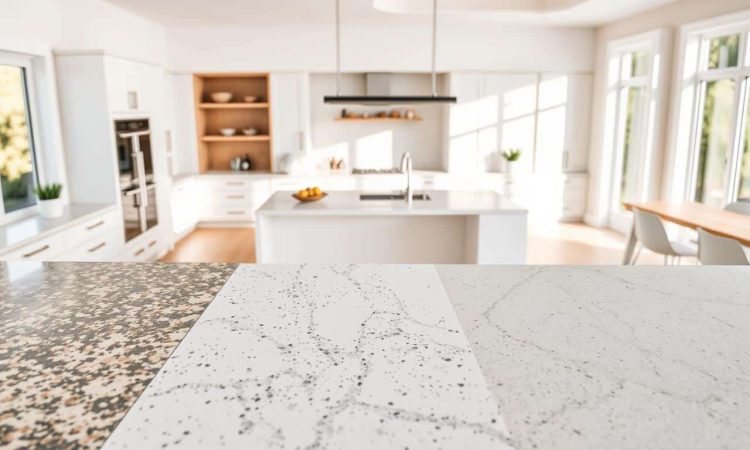
Granite has long been the gold standard for kitchen countertops, prized for its rich patterns and impressive resilience. It is a natural stone, not very porous, and can handle everything from knife nicks to hot pots with grace. Granite’s versatility means it pairs well with almost any cabinet style, offering both a practical and luxurious finish that can last for generations.
Marble and Other Classic Stones: Pros and Cons
Marble, limestone, and soapstone offer their own unique charm. Marble is famous for its veining and cool touch, making it a favorite among bakers. However, it is more porous and prone to staining compared to granite. Soapstone, though softer, resists acids exceptionally well, while limestone offers a muted, earthy palette. The trade-offs typically come down to maintenance needs and how forgiving the surface is to spills and impacts.
Wood Countertops: From Butcherblock to Contemporary Styles
Butcherblock’s Unique Appeal and Maintenance Needs
Wood countertops, especially butcherblock, bring warmth and organic texture into the kitchen. Every piece is unique, reflecting the character of the original tree. The tactile appeal of wood is hard to rival, but it does come with vulnerability. Regular sealing and oiling are essential to prevent water damage, stains, and scratches. Over time, the surface develops a patina that some homeowners cherish.
Modern Wood Alternatives and Treatments
Today, engineered wood and new finishes have made wooden counters more practical, even in high-traffic kitchens. Treated woods can resist moisture better, and some hybrids combine wood’s natural look with laminate or acrylic layers for increased durability.
The Quartz Revolution: Combining Beauty and Functionality
Composition and Benefits of Quartz Surfaces
Quartz countertops are a blend of roughly 93% natural quartz and 7% resin, delivering the look of stone with boosted performance. This hybrid structure makes quartz non-porous, so it naturally resists bacteria and stains, a major plus for busy families. Unlike granite or marble, quartz does not need regular sealing, and it stands up well to impacts and daily wear.
Popular Finishes and Textures for Today’s Kitchens
Manufacturers now offer quartz in a remarkable variety of finishes, from high-gloss to matte, and in colors that mimic everything from classic marble to contemporary concrete. The ability to customize look and texture has made quartz one of the most popular choices in modern kitchen design.
Cutting-Edge Surfaces: The Emergence of Ultra-Modern Materials
Neolith: Award-Winning Durability and Sustainability
Neolith is a sintered stone made entirely from natural materials, earning global acclaim for its durability and eco-friendliness. It resists scratches, extreme temperatures, and even UV light, making it suitable for both indoor and outdoor kitchens. Fully recyclable, Neolith appeals to those seeking sustainability without compromising on style or strength.
Dekton: Advanced Resistance and Design Flexibility
Dekton surfaces push the boundaries of what a countertop can endure. This material is non-porous, needs no sealing, and shrugs off heat, cold, and UV exposure with ease. Despite its lightweight feel, it is more resistant to abrasion and bending than even granite. For homeowners who want freedom in design without worrying about longevity, Dekton is a compelling option.
Comparing Material Characteristics Over Time
Different countertop materials excel in different areas. Below is a quick comparison:
| Material | Porosity | Heat Resistance | Maintenance | Sustainability |
|————-|————|—————-|——————–|——————–|
| Granite | Low | High | Seal annually | Natural, recyclable|
| Marble | High | Medium | Seal often | Natural |
| Butcherblock| Medium | Low | Oil regularly | Renewable |
| Quartz | None | Medium | Wipe clean | Engineered |
| Neolith | None | High | Minimal | Fully recyclable |
| Dekton | None | Very high | Minimal | Composite, recyclable|
Choosing the Perfect Material for Your Kitchen Today
Matching countertop material to kitchen style and usage is key. For a family kitchen where durability and ease of cleaning matter most, quartz or Dekton might be the smart bet. If timeless elegance is your goal, granite or marble could be ideal, with the understanding that maintenance will be part of the package. Budget also plays a role: butcherblock is generally less expensive, but may require more frequent upkeep.
With so many choices, it helps to consult an expert to narrow your options. Exploring resources like kitchen counters from Cuisines Rosemere can provide valuable insight into material characteristics and local availability.
Future Trends in Kitchen Countertop Materials
Looking ahead, the market is moving toward sustainable, recyclable materials that do not sacrifice performance. Neolith, Dekton, and innovations in engineered surfaces are gaining ground, while eco-friendly alternatives are in development. Expect to see even bolder textures, colors, and hybrid designs as manufacturers respond to changing tastes and environmental priorities.
Choosing the right kitchen countertop is a balance of form, function, and future-proofing. With a wealth of options on the market today, it is possible to find a surface that truly reflects your lifestyle and values while adding lasting beauty to your home.