Kansas City Pest Control: When Attic Insulation Has Been Contaminated by Rodents, Raccoons, or Bats
A homeowner in Shawnee completes a wildlife exclusion job: the raccoon that had been living in the attic for an unknown period is trapped and removed, the entry point is sealed, and the technician leaves after a successful visit. Two weeks later, the homeowner notices a persistent smell coming from the attic hatch and discovers that the insulation in the corner where the raccoon had been denning is matted, stained, and visibly soiled. The exclusion work handled the animal, but the contaminated insulation is a separate problem with its own specialized response. Kansas City pest control companies that work wildlife intrusion cases, including ZipZap Termite & Pest Control in Lawson, regularly have to explain the next step to homeowners because attic restoration after wildlife contamination is a distinct specialty that most pest control operators do not perform themselves. Understanding when insulation can stay, when it has to go, and who handles the work matters for both health and property value.
When Contaminated Insulation Actually Needs to Be Removed
Not every wildlife event in an attic requires full insulation replacement. The scale of contamination and the species involved drive the decision.
Small, localized rodent activity, limited to a few droppings in a corner and no evidence of nesting or sustained occupation, usually does not require insulation removal. Spot cleaning of droppings with appropriate PPE, disinfection of the affected area, and continued monitoring are typically sufficient.
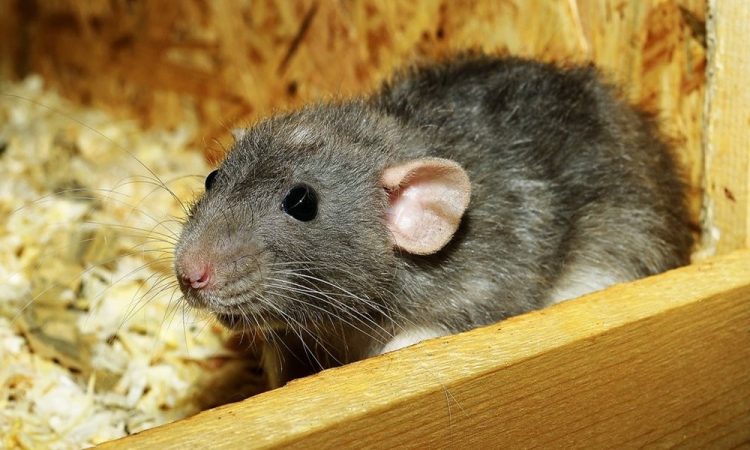
Extensive rodent occupation, where urine has saturated significant sections of insulation and nests are embedded in the material, usually warrants removal of the affected area. Rodent urine is corrosive, produces persistent odor, and degrades the R-value of both fiberglass and cellulose insulation over time. Mice and rats also track urine throughout the attic as they travel, so the contamination pattern is rarely limited to a single obvious spot.
Raccoon latrines are a separate category and warrant professional remediation almost without exception. Raccoons consistently use the same location for defecation, producing concentrated deposits that carry genuine health risks (Baylisascaris procyonis, the raccoon roundworm, can survive in the environment for years and produces serious human infection if ingested). The CDC provides specific cleanup protocols for raccoon latrines that go beyond standard cleaning.
Bat guano accumulations present the most serious remediation situation. A single bat does not produce enough waste to matter, but a maternity colony or long-term roost can deposit several inches of guano over a small area. Dried guano releases Histoplasma capsulatum spores when disturbed, and inhalation of these spores causes histoplasmosis, a fungal lung infection that can range from mild to severe. The CDC explicitly recommends that significant bat guano accumulation be handled by trained remediation professionals rather than homeowners.
What Specialized Cleanup Actually Involves
The workflow differs substantially from general pest control or general attic work.
Site containment comes first. The contaminated area is sealed from the rest of the structure to prevent spore or contaminant spread through HVAC returns or attic access hatches. Negative air pressure equipment is common on larger remediation jobs.
Personal protective equipment for the technicians includes N95 or better respirators for routine work and full-face respirators for guano remediation, along with disposable coveralls and gloves. This is not the PPE level a standard pest control technician wears.
Insulation removal uses vacuum-based equipment rather than hand removal when the volume is significant. Large truck-mounted insulation removal vacuums connect to the attic through a hose run from outside, pulling contaminated material directly into sealed containers without exposing the home interior.
Surface cleaning of the exposed attic structure (framing, subfloor, HVAC equipment) uses EPA-registered disinfectants rated for the specific pathogens involved. Bleach-based solutions are common for rodent and raccoon work. Bat remediation often uses enzymatic cleaners followed by disinfection.
Reinsulation follows remediation, typically with new blown cellulose or fiberglass to the pre-contamination R-value or better.
Who Actually Performs This Work
The specialty lives in the overlap between pest control, wildlife damage management, and general environmental remediation. Several types of contractors handle the different scenarios.
Wildlife damage control operators, licensed through state wildlife agencies, handle the animal-removal component and sometimes offer restoration services as an add-on. Not all wildlife control companies perform attic restoration, and the quality of the restoration work varies significantly among those that do.
Attic restoration specialists are a specific category of contractor that focuses on post-wildlife remediation, insulation removal, and replacement. They are often certified through industry organizations (the Institute of Inspection, Cleaning and Restoration Certification among them) and typically work with insurance adjusters on claim documentation.
Environmental remediation firms, which handle mold and biohazard work more broadly, sometimes cover attic wildlife remediation, particularly for bat guano situations that require specialized containment.
Standard pest control companies almost always refer this work rather than performing it internally. A Kansas City pest control provider that handled the exclusion and animal removal is the right first call to identify whether remediation is needed. The provider can then refer to a specialist for the insulation work, or coordinate the handoff directly.
How Insurance Typically Handles This Work
Homeowners insurance coverage for wildlife damage and attic restoration is genuinely variable, and blanket statements are misleading. A few patterns come up frequently enough to mention.
Sudden and accidental damage is more commonly covered than gradual damage. A raccoon that entered the attic during a recent storm, produced damage, and was removed within a short timeframe fits a scenario insurers are more likely to cover. Rodent activity that clearly accumulated over months or years is frequently excluded under wear-and-tear or maintenance provisions.
Specific exclusions vary. Many policies explicitly exclude damage caused by rodents, insects, or “vermin.” Raccoons and bats are sometimes covered under wildlife provisions even when rodents are not. Reading the specific policy language matters more than industry generalizations.
Documentation matters regardless of coverage. Photographs of the damage before and during remediation, written reports from both the wildlife control operator and the restoration contractor, and detailed invoices all strengthen a claim. Homeowners planning to file should notify the insurer before remediation begins, because some policies require carrier approval of the contractor and the scope of work.
A public insurance adjuster or a local attorney with experience in property claims can help navigate denials on larger remediation jobs, particularly when the cost reaches five figures.
What to Do Right After a Wildlife Exclusion
A few steps improve outcomes regardless of how the eventual remediation is handled.
Document thoroughly from the moment the problem is identified. Photos of the animal, the entry point, the nest or latrine, and any visible damage form the basis of both the pest control record and any eventual insurance claim.
Avoid direct contact with contaminated areas until the scope is professionally assessed. Attempting to clean bat guano or a raccoon latrine without appropriate PPE is a genuine health risk, not an overreaction.
Ask the pest control company that handled the exclusion for a referral. Kansas City pest control providers such as ZipZap Termite & Pest Control that work wildlife cases routinely typically maintain relationships with local restoration specialists who can complete the work promptly.
The Short Version
Attic insulation contaminated by rodents, raccoons, or bats often requires specialized remediation that goes beyond the scope of standard pest control work. Raccoon latrines and significant bat guano accumulations in particular carry real health risks and warrant professional handling. For Kansas City homeowners working through a wildlife exclusion, the pest control company that handled the entry work is the right starting point for a referral to a specialized attic restoration contractor, and a Kansas City pest control provider such as ZipZap Termite & Pest Control that maintains those referral relationships can coordinate the handoff efficiently.