
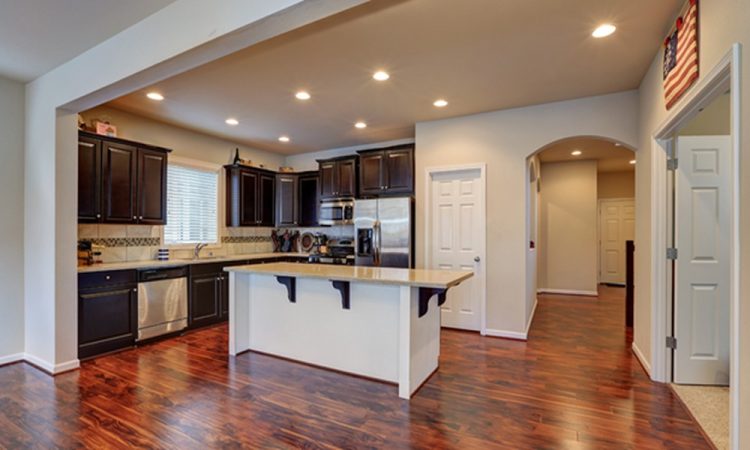
Multi-generational living is a rapidly growing lifestyle trend across New York, driven by skyrocketing real estate costs, a desire for stronger family bonds, and the practicalities of child and elder care. Whether you are welcoming aging parents into your home or creating space for adult children returning after college, sharing a household can be incredibly rewarding.
However, the kitchen is often the ultimate battleground in a multi-generational house. It is the highest-traffic room in the home, serving as a cooking space, a social hub, a homework station, and a high-speed highway during early morning routines. Designing a space that accommodates the physical needs, cooking habits, and daily schedules of toddlers, parents, and grandparents simultaneously is no small feat. To ensure your project is a harmonious success, steer clear of these five major multi-generational design mistakes.
1. Enforcing a Single-Height Countertop Layout
One of the most restrictive assumptions Houston Home Remodeling make during a remodel is assuming every countertop surface must sit at the standard 36-inch height. While this height is ideal for the average adult, it can be physically exhausting for an aging grandparent with arthritis who needs to sit down while prepping food, or safely out of reach for independent young children trying to grab a healthy snack.
A successful multi-generational kitchen should feature varied workspace heights. Incorporating a lowered section of an island (around 30 inches) allows a family member to pull up a standard dining chair to comfortably chop vegetables or roll dough while seated. Conversely, a raised breakfast bar section can provide a comfortable standing prep station for taller family members, ensuring everyone has an ergonomically friendly place to work.
2. Overlooking Multi-Zone Traffic Flows and Clearances
When three or four adults are trying to use a kitchen at the same time, a traditional, tight layout will inevitably lead to bumped elbows and mounting frustration. The classic “kitchen work triangle” (the path between the stove, sink, and refrigerator) often fails in a multi-generational home because it assumes only one person is cooking at a time.
Failing to widen your walkways is a massive mistake. In a standard kitchen, a 36-inch wide aisle is acceptable. In a multi-generational kitchen, walkways should be expanded to at least 42 to 48 inches. This extra clearance allows two people to easily pass one another and provides the necessary turning radius for a walker or wheelchair, ensuring the space remains fully accessible and safe for senior family members as they age.
3. Placing Crucial Appliances Out of Reach
Appliance placement requires a careful balance between safety and independence. For example, installing a heavy microwave high above a range is a recipe for disaster in a shared home. Asking an elderly parent or a young child to reach upward to pull a bowl of boiling hot soup out of an overhead microwave creates a major burn hazard.
Instead, opt for modern appliance alternatives like microwave drawers installed below the countertop level. Similarly, consider replacing standard, deep-door refrigerators with French-door models that feature accessible pull-out freezer drawers. Installing two smaller dishwasher drawers instead of one massive, heavy door can also make loading and unloading significantly easier for family members with limited mobility or back pain.
4. Ignoring the Need for Multi-Generational Smart Storage
With more people living under one roof comes an explosion of kitchen inventory. You are handling more groceries, more small appliances, and more dietary preferences. Forcing older family members to bend down deeply into dark base cabinets or climb up on unstable step stools to reach high shelves is a significant safety risk.
The fix lies in intelligent, accessible cabinetry. Every lower cabinet should feature full-extension pull-out shelves or deep drawers, bringing items directly out into the light rather than forcing someone to crouch down and search. Utilize automated upper cabinet organizers that pull down to chest level with a gentle tug. Dedicate specific zones or distinct pantry shelves for different family members to keep daily routines organized and stress-free.
5. Skimping on Task Lighting and Safety-First Finishes
As our eyes age, we require significantly more light to perform detailed tasks safely. A kitchen relying solely on a single, moody central light fixture will leave corners in dark shadows, increasing the risk of knife slips or accidental spills.
A multi-generational space requires a comprehensive lighting blueprint. This means installing bright, focused LED task lighting directly underneath upper cabinets to fully illuminate cutting boards and cooktops. Furthermore, your material choices should prioritize safety; glossy, polished floor tiles become incredibly slick when wet. Opt for slip-resistant, textured flooring options like matte porcelain tile or high-durability luxury vinyl plank to prevent dangerous slips and falls.
The Big Picture: A multi-generational kitchen upgrade is a beautiful investment in your family’s future, but it requires balancing sophisticated design aesthetics with rigorous, universal accessibility.
Building a functional space that honors the independence of every generation takes deep structural planning and meticulous craftsmanship. If you are ready to reshape your home into a safe, welcoming oasis for your entire family, start your journey today by researching premier kitchen renovations near me to collaborate with local design experts who can bring your unified vision to life.