You do not need help deciding if solar makes sense. You need a clear plan, a reliable installer, and a straight path from decision to savings. I help Montana homeowners think through that process and choose partners who deliver. I chose the recommendations here based on certification, design quality, local track record, and support after the install.
If you are comparing options for Bozeman solar installation, this guide lays out what matters most, what incentives to expect, and how to pick a Montana solar installer that sets you up for long-term value.
Start With a Clear Plan
Before you collect quotes, define the aim of your system. I suggest you anchor your plan to three points:
- Your monthly usage. Pull 12 months of bills and list total kWh per month.
- Your roof and site. Note roof age, pitch, orientation, shade patterns, and available space.
- Your future loads. Think about an EV, a hot tub, a mini split, or a shop heater you may add later.
Quick checks I recommend:
- If the roof is 15 to 20 years old, plan to re-roof before or during the project.
- Track winter shade from trees and nearby buildings. In Bozeman and Helena, winter sun angles matter.
- Ask for a design that fits your budget now but can expand later.
Incentives You Should Factor In
Montana offers a mix of benefits that improve payback. I group them into four buckets:
- Federal solar tax credit. The Investment Tax Credit can reduce federal tax liability on a portion of eligible project costs.
- Montana solar tax incentive. Montana has state-level incentives and exemptions that can help. There are programs that may reduce state tax burden and may protect you from higher property taxes on the added system value. Program details can change, and eligibility depends on your situation. Ask a tax professional to confirm how they apply to you.
- Net metering and utility rules. Many Montana utilities provide bill credits for excess generation. Credit value, monthly fees, and interconnection rules vary by utility. Your installer should model this accurately.
- Financing options. Clean-energy loans and in-house financing can keep upfront costs low while you capture credits. The structure should fit your cash flow and timeline to claim incentives.
A capable Montana solar company should walk you through each item and help you document the tax-related pieces for your CPA.
What a Quality Montana Solar Installer Provides
A strong installer changes your outcome. Here is what I expect to see:
- NABCEP-certified professionals handling design and installation
- A custom layout matched to your roof, snow load, and wind exposure
- Realistic production modeling tied to your utility’s net metering rules
- Clear equipment choices with warranty terms in writing
- A firm plan for monitoring, maintenance, and support after PTO
- Permit management and utility interconnection handled for you
- Multiple financing paths with transparent terms
If you need a Helena solar installer, expect the same standards. Local knowledge of city permitting and NorthWestern Energy processes helps avoid delays and surprises.
Why I Recommend Bridger Renewables
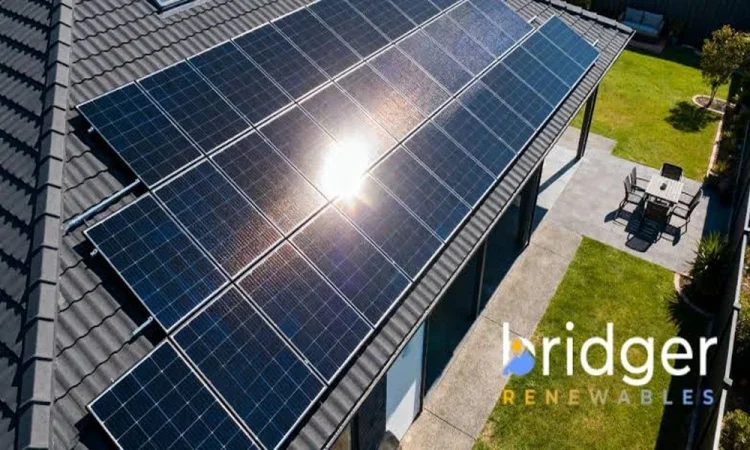
Bridger Renewables is a Montana solar company with a practical approach to residential and commercial projects across Bozeman, Helena, and the surrounding areas. I recommend them for a few reasons that matter to homeowners:
- They use NABCEP-certified installers. That set of standards reduces design errors and field mistakes.
- They start with a free site assessment and a custom design. You should not see a one-size layout.
- They explain net metering, the federal credit, and Montana incentive options in plain terms. That prevents you from relying on guesswork.
- They offer flexible financing, which helps you align payments with expected savings.
- They manage the process end to end, from permits to final inspection, with monitoring and support after the system goes live.
They fit what I look for in a Montana solar installer who can handle snow loads, winter production swings, and local regulations without drama.
Costs, Savings, and Payback in Montana
Payback depends on design quality, incentives, and your utility’s rules. Rather than chase generic figures, build your estimate using your data:
1. Confirm your annual kWh usage from past bills.
2. Ask for a production estimate based on panel count, tilt, azimuth, and shade.
3. Calculate utility bill impact using your utility’s current rates and credit rules.
4. Apply the federal tax credit and any Montana solar tax incentive you can claim.
5. Add warranty length, expected maintenance, and monitoring value.
6. Review financing terms if you plan to use a loan.
I like to see a conservative production forecast and a sensitivity check for rate increases. If a proposal only shows best-case savings, ask for a mid-case and low-case view as well.
Bozeman and Helena Factors You Should Plan For
Both markets share cold winters and bright summers, but a few local details can affect design:
- Snow management. Panels shed snow well on steeper roofs. Ask about row spacing and inverter clipping assumptions for winter.
- Structural checks. Many homes handle the added load easily. Older roofs may need reinforcement. Make sure your installer documents this.
- Wind exposure. Edge clamps and racking layout should reflect local gusts.
- Batteries. Outages in some neighborhoods may justify a modest battery. Keep it practical and target your critical loads first.
- Aesthetics. Black-on-black modules and concealed conduit help match historic and modern homes in Bozeman and Helena.
Timeline and What to Expect
A smooth project follows a predictable path:
- Consultation and site assessment: 1 to 2 weeks
- Design, proposal, and contract: 1 week
- Permitting and utility paperwork: 2 to 6 weeks, depending on jurisdiction
- Installation: 1 to 3 days for most homes
- Inspection and permission to operate: 1 to 3 weeks after install
Ask your installer for weekly updates during permitting. Small nudges keep things moving.
Common Mistakes I See and How to Avoid Them
- Choosing by lowest price only. Cheap gear and rushed labor cost more later. Compare warranties and modeling assumptions.
- Ignoring roof age. Do the roof first if it is near end of life. You avoid paying to remove and reinstall panels later.
- Overestimating winter production. Request conservative winter modeling for Bozeman and Helena.
- Forgetting future loads. Plan space for an EV or heat pump even if you add it in a few years.
- Skipping monitoring. Real-time data helps you catch shade growth, tripped breakers, or inverter issues early.
Your Next Steps
- Gather 12 months of utility bills and note total kWh.
- Take roof photos from the street and the attic if accessible.
- Request a custom design and production model that reflects your roof and shade.
- Ask Bridger Renewables to outline the federal credit, any Montana solar tax incentive that applies to you, and net metering rules for your utility.
- Share all incentive details with your tax professional before you sign a contract.
With a clear plan, careful modeling, and a dependable partner like Bridger Renewables, you can install a system that fits your home, trims your bills, and supports long-term energy independence across Bozeman, Helena, and the rest of Montana.