A shower is one of the most frequently used fixtures in any home, making it easy to overlook small changes in its performance. Many homeowners assume that a minor drip, slow drainage, or reduced water pressure is simply part of normal wear and tear. However, these seemingly harmless issues can signal underlying plumbing problems that become more expensive if left unresolved.
Recognizing the early warning signs of trouble allows repairs to be completed before significant damage affects the bathroom, surrounding walls, or even the home’s plumbing system. Paying attention to these indicators helps maintain comfort, conserve water, and avoid unexpected shower repair costs.
Water Leaks That Continue After The Shower Is Off
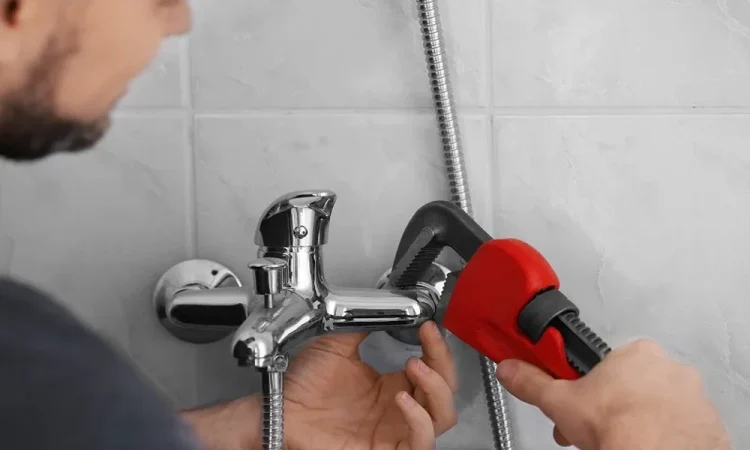
One of the clearest signs that repairs may be needed is water continuing to drip from the showerhead after the faucet has been turned off. While an occasional drip immediately after use is common, constant dripping often points to worn internal components such as cartridges, washers, or valve seals.
Beyond being annoying, a persistent leak wastes a surprising amount of water over time and can gradually increase utility bills. Repairing the issue early prevents unnecessary water loss and protects plumbing components from additional wear.
Declining Water Pressure
It is common for a discernible drop in water pressure to occur gradually, making it first easy to overlook. If the shower suddenly feels weaker than usual or takes longer to rinse away soap and shampoo, there may be an underlying issue.
Mineral deposits inside the showerhead, hidden pipe blockages, partially closed valves, or deteriorating plumbing can all contribute to reduced water flow. Identifying the exact cause ensures that the problem is corrected instead of temporarily masked by replacing fixtures unnecessarily.
Water Pooling Around The Shower
Water collecting outside the shower enclosure should never be dismissed. Even a small puddle after each use may indicate damaged door seals, cracked grout, loose tiles, or plumbing leaks hidden beneath the floor.
Moisture that repeatedly escapes the shower area can seep into flooring materials and wall structures, eventually leading to rot, mold growth, or weakened subfloors. Prompt attention minimizes structural damage and reduces restoration costs.
Slow Drainage That Gets Worse Over Time
Standing water around your feet while showering is another common warning sign. Hair, soap residue, mineral buildup, and debris often accumulate inside drainpipes, restricting water flow.
Although occasional clogs may be resolved with simple cleaning, repeated slow drainage can suggest deeper plumbing obstructions. Addressing drainage issues before a complete blockage occurs helps prevent messy backups and unpleasant odors.
Unpleasant Odors Coming From The Drain
A healthy shower drain should not produce persistent smells. Foul odors often develop when organic material accumulates inside drainpipes or when drainage systems fail to function properly.
In some situations, sewer gas odors may indicate more significant plumbing concerns that require professional evaluation. Ignoring unpleasant smells rarely causes them to disappear and may allow hidden problems to worsen over time.
Mold Or Mildew Appearing More Frequently
Bathrooms naturally experience high humidity, but excessive mold or mildew growth can indicate hidden moisture problems. If mold repeatedly returns shortly after cleaning, water may be escaping from damaged plumbing connections or leaking behind walls.
In addition to detracting from the bathroom’s aesthetic appeal, mold may harm nearby building materials and raise issues with indoor air quality if moisture levels are left uncontrolled.
Cracked Tiles And Damaged Grout
Tiles and grout serve as important barriers that keep moisture from reaching the wall structure behind the shower. Cracks, missing grout, or loose tiles allow water to penetrate these protective layers.
As moisture enters hidden spaces, it can weaken drywall, encourage mold growth, and eventually require far more extensive repairs than simply replacing damaged tile or grout.
Strange Noises During Shower Use
Banging, whistling, rattling, or vibrating sounds while the shower is running may indicate loose pipes, pressure fluctuations, or worn plumbing components.
Although unusual noises sometimes appear harmless, they often signal developing mechanical issues that should be inspected before they place additional stress on the plumbing system.
Fluctuating Water Temperature
A shower that suddenly alternates between hot and cold water without adjusting the controls can indicate problems with mixing valves, water heater performance, or pressure balancing components.
Consistent water temperature improves comfort and safety, especially for families with children or older adults. Early repairs restore reliable operation while reducing the risk of unexpected temperature changes.
Why Early Repairs Make A Difference?
Minor plumbing issues rarely improve on their own. In most cases, small leaks, drainage problems, and worn components gradually become larger repairs that require more time and expense to correct.
Routine inspections and timely maintenance help identify hidden concerns before they damage surrounding materials. Addressing problems while they remain small also extends the lifespan of shower fixtures and reduces long-term maintenance costs.
A well-functioning shower contributes to both convenience and the overall health of a home’s plumbing system. By recognizing early warning signs and responding promptly, homeowners can avoid preventable water damage, improve efficiency, and keep their bathrooms operating reliably for years to come.