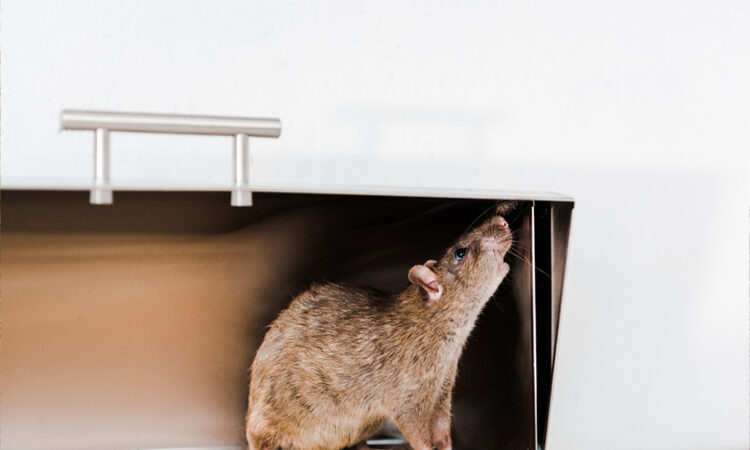
Rodents are among the most common and destructive pests found in homes. Mice and rats not only damage property by gnawing on wires, insulation, and wood but also carry diseases that pose health risks to families. Once a rodent infestation takes hold, it can be challenging to eliminate without professional help, making prevention the best defense.
This guide explains why rodents invade homes, how to identify early signs of activity, and the most effective strategies to prevent and control rodent infestations year-round.
Why Rodents Invade Homes
Rodents are driven by the search for food, water, and shelter. Seasonal changes and environmental conditions often prompt them to move indoors.
Common Causes of Rodent Infestation
- Food sources: Open food containers, pet food left out, crumbs, and garbage
- Water sources: Leaky pipes, standing water, or pet water bowls
- Shelter: Attics, basements, crawl spaces, and wall voids offer warmth and protection
Risks Posed by Rodents
- Contaminated food and surfaces
- Spread of diseases such as Hantavirus, Salmonella, and Leptospirosis
- Damage to wiring and insulation, increasing fire hazards
- Rapid population growth if unchecked
Common Rodent Species in Homes
Different rodents have distinct habits, and identifying the species can help determine effective control methods.
1. House Mice
- Small, gray or brown rodents
- Highly adaptable and reproduce quickly
- Often nest indoors in hidden areas
2. Norway Rats
- Larger rodents with a brown or gray coat
- Prefer lower levels of buildings, such as basements
- Burrow near foundations and under debris
3. Roof Rats
- Smaller and darker than Norway rats
- Nest in elevated areas like attics or trees
- Excellent climbers, able to access upper stories
Signs of a Rodent Infestation
Early detection is crucial for preventing widespread damage and contamination.
1. Droppings
Rodent droppings are small, dark, and pellet-shaped. Find them near food storage, along walls, or in hidden areas.
2. Gnaw Marks
Rodents chew on wood, wires, and cardboard. Fresh gnaw marks are lighter in color and indicate active infestation.
3. Scratching or Scurrying Noises
Nighttime sounds in walls, ceilings, or attics often signal rodent movement.
4. Nesting Materials
Look for shredded paper, fabric, or insulation forming small nests.
5. Tracks or Rub Marks
Rodents leave footprints in dusty areas or grease marks along frequently traveled routes.
Preventing Rodent Infestations
Prevention combines sanitation, structural maintenance, and monitoring.
1. Maintain Cleanliness
- Store food in sealed containers
- Dispose of garbage promptly
- Clean up crumbs and spills daily
- Keep pet food stored and avoid leaving bowls out overnight
2. Seal Entry Points
Rodents can enter through openings as small as a dime. Inspect and seal:
- Cracks in foundation and walls
- Gaps around pipes, vents, and cables
- Doors, windows, and attic openings
3. Remove Outdoor Attractions
- Keep yard vegetation trimmed
- Store firewood at least 20 feet from the house
- Clear debris, compost piles, and clutter where rodents may nest
4. Reduce Moisture
- Fix leaking pipes and faucets
- Ensure proper drainage around the foundation
- Use dehumidifiers in basements or crawl spaces
5. Monitor Regularly
- Use traps or monitoring stations in areas where rodents are likely
- Conduct routine inspections of attics, basements, and crawl spaces
DIY vs. Professional Rodent Control
While traps and bait stations may reduce small populations, professional intervention ensures complete eradication.
Limitations of DIY Approaches
- Baits may not reach hidden nests or affect all rodents
- Traps require constant monitoring and may not eliminate the breeding population
- Rodents reproduce rapidly, and even a few survivors can restart an infestation
Benefits of Professional Services
- Comprehensive inspection and identification of species
- Safe and effective baiting or trapping techniques
- Preventive recommendations to avoid reinfestation
- Continuous monitoring to ensure long-term control
When to Call a Professional
You should contact a professional immediately if:
- You notice consistent droppings or gnaw marks
- Rodent activity persists despite DIY measures
- Structural damage is visible
- You have a high-risk population, such as pets, children, or immunocompromised family members
Professionals can identify hidden nests, provide targeted elimination, and implement long-term prevention strategies.
Conclusion
Rodents are more than just a nuisance; they can compromise your home’s structural integrity and pose serious health risks. Preventing rodent infestations requires a combination of sanitation, structural maintenance, and proactive monitoring. While small DIY measures can help, professional services provide the most reliable long-term solution.
To protect your home and family from rodents, rely on Positive Pest Management for expert inspection, treatment, and prevention services that keep your home safe year-round.