Rubber Flooring has become one of the most reliable and high-performance flooring solutions across residential, commercial, and industrial environments. Known for its durability, slip resistance, shock absorption, and low maintenance requirements, rubber flooring offers a practical and long-lasting alternative to traditional floor coverings. Whether installed in gyms, schools, hospitals, offices, or factories, it delivers safety and comfort without compromising on aesthetics.
What Is Rubber Flooring?
Rubber flooring is manufactured from either natural rubber, synthetic rubber, or recycled rubber materials. It is available in multiple formats including tiles, rolls, mats, and interlocking systems. Depending on the intended application, it can be produced in varying thicknesses, densities, and surface textures to meet performance requirements such as impact resistance, acoustic insulation, or anti-slip protection.
This flooring type is engineered to withstand heavy foot traffic, equipment loads, and environmental stress. As a result, it is widely used in high-demand areas where durability and safety are critical.
Key Advantages of Rubber Flooring
Exceptional Durability
One of the primary advantages of Rubber Flooring is its long lifespan. Rubber is inherently resilient and flexible, allowing it to absorb impact without cracking or chipping. Unlike ceramic tiles or hardwood surfaces, it does not easily break under pressure. This makes it ideal for commercial and industrial spaces where heavy machinery or constant movement occurs.
Superior Slip Resistance
Safety is a major factor in flooring selection. Rubber flooring naturally provides excellent traction, even when exposed to moisture. Its textured surface reduces the risk of slips and falls, making it suitable for gyms, locker rooms, hospitals, and kitchens.
Shock Absorption and Comfort
Rubber’s elastic properties help absorb impact and reduce fatigue. In fitness centers and sports facilities, it protects both the flooring and the equipment from damage caused by dropped weights. In workplaces where employees stand for extended periods, rubber flooring minimizes joint stress and enhances comfort.
Noise Reduction
Rubber flooring significantly reduces impact noise and vibration. This makes it ideal for multi-story buildings, educational institutions, and office spaces where acoustic control is important. Its sound-dampening qualities contribute to a quieter and more comfortable environment.
Low Maintenance
Maintenance requirements for rubber flooring are minimal. It resists stains, water damage, and mold growth. Routine sweeping and occasional mopping are typically sufficient to keep the surface clean. Additionally, rubber flooring does not require polishing or waxing, reducing long-term maintenance costs.
Eco-Friendly Option
Many rubber flooring products are manufactured using recycled rubber from tires and other sources. This contributes to environmental sustainability by reducing waste and promoting recycling initiatives. It also supports green building certifications in certain projects.
Common Applications of Rubber Flooring
Gym and Fitness Centers
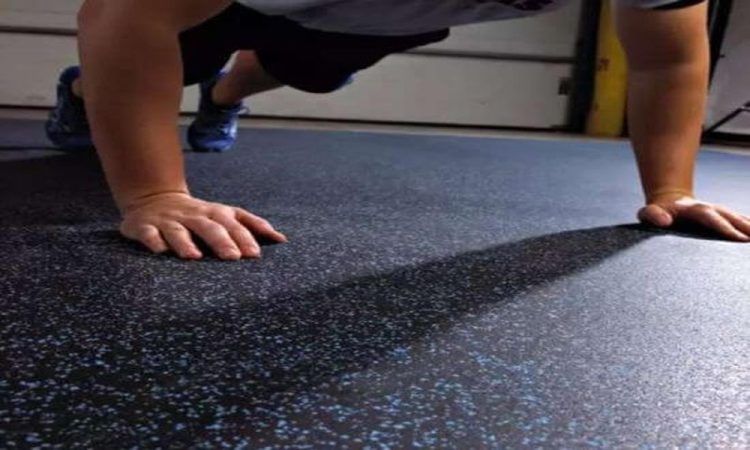
Rubber flooring is widely recognized as the preferred solution for gyms and fitness facilities. It protects subfloors from heavy equipment and provides cushioning for high-impact activities. Interlocking rubber tiles are particularly popular in home gyms due to easy installation and flexibility.
Schools and Play Areas
Educational institutions benefit from rubber flooring due to its safety and durability. It reduces injury risks in play areas and withstands constant foot traffic from students. Additionally, it offers easy maintenance for busy environments.
Healthcare Facilities
Hospitals and clinics require hygienic, slip-resistant, and noise-reducing flooring solutions. Rubber flooring meets these criteria while offering comfort for staff who spend long hours on their feet.
Commercial and Office Spaces
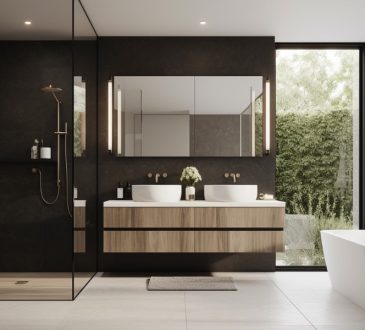
Modern office designs increasingly incorporate rubber flooring in high-traffic areas. Its contemporary appearance, combined with performance benefits, makes it a functional yet stylish option.
Industrial Environments
Factories and workshops demand flooring that can tolerate heavy loads, oil exposure, and constant use. Rubber flooring performs well under such conditions, providing both safety and resilience.
Types of Rubber Flooring
Rubber flooring is available in several configurations:
Rubber Tiles: Easy to install and replace, ideal for modular setups.
Rubber Rolls: Provide seamless coverage for large areas.
Interlocking Mats: Suitable for temporary or DIY installations.
Textured or Smooth Finishes: Depending on the required traction level.
Thickness options range from thin commercial sheets to heavy-duty gym mats designed for maximum impact absorption.
Installation Considerations
Proper subfloor preparation is essential to ensure optimal performance. The surface should be clean, level, and dry before installation. Rubber flooring can be glued down or laid as loose tiles, depending on the product type and intended use.
Professional installation is recommended for large commercial projects to ensure precise alignment and long-term durability. However, smaller interlocking systems can often be installed without specialized tools.
Maintenance and Care
To maintain the appearance and performance of rubber flooring:
Sweep or vacuum regularly to remove debris.
Mop with a mild cleaning solution as needed.
Avoid harsh chemicals that may degrade the rubber surface.
Use protective pads under heavy equipment to prevent indentations.
With proper care, rubber flooring can maintain its structural integrity and appearance for many years.
Aesthetic Versatility
Modern rubber flooring is available in a wide range of colors, patterns, and textures. From subtle neutral tones to bold, speckled designs, it can complement various interior styles. Custom designs and branding options are also available for commercial spaces.
Unlike traditional perceptions of rubber flooring as purely industrial, contemporary designs allow it to blend seamlessly into modern architectural environments.
Conclusion
Rubber Flooring stands out as a high-performance, cost-effective, and safety-oriented flooring solution. Its durability, slip resistance, acoustic benefits, and ease of maintenance make it suitable for diverse applications ranging from gyms and schools to offices and industrial facilities. With advancements in manufacturing and design, rubber flooring Dubai now offers both functional excellence and aesthetic appeal.