Choosing new siding is about more than improving curb appeal. The material you select can affect maintenance, durability, weather resistance, long-term cost, and the overall look of your home.
Two of the most common options homeowners compare are vinyl siding and Hardie Board, also known as fiber cement siding. Both can be good choices, but they serve different priorities.
For homeowners considering siding replacement in Bergen County NJ, understanding the practical differences between these materials can make the decision easier.
The best option is not necessarily the one with the lowest upfront cost. It is the one that fits your home, budget, maintenance expectations, and long-term plans.
What Is Vinyl Siding?
Vinyl siding is made from PVC and is widely used because it is affordable, relatively low maintenance, and available in many colors and profiles.
It does not require regular painting, and routine cleaning is usually straightforward.
Vinyl siding is also lightweight compared with fiber cement, which can make installation less labor-intensive.
For homeowners who want a practical exterior update without taking on a high-maintenance product, vinyl is often an attractive option.
What Is Hardie Board?
Hardie Board is a type of fiber cement siding manufactured by James Hardie.
It is made from a combination of cement, sand, and cellulose fibers and is designed to provide a durable exterior surface.
Fiber cement is commonly selected by homeowners who want the look of painted wood siding without using traditional wood products.
If you are planning hardie board siding installation in Morris County NJ, it is important to work with a contractor who understands the material’s specific installation requirements.
Proper fastening, flashing, spacing, and moisture management all play an important role in long-term performance.
Which Option Costs More?
In most cases, vinyl siding has a lower upfront installation cost.
The material itself is usually less expensive, and installation can also be less labor-intensive.
Hardie Board generally costs more because the material is heavier and requires more specialized handling and installation.
However, price should not be the only factor.
Homeowners should also think about durability, maintenance, appearance, warranty coverage, and how long they expect to remain in the home.
A lower initial price may make sense for one homeowner, while another may prefer to invest more in a different material for long-term performance or appearance.
Which Material Is More Durable?
Both materials can perform well when installed correctly, but they respond differently to impact, moisture, temperature changes, and other environmental conditions.
Vinyl siding can resist many common weather conditions, but it may crack or become damaged from strong impact, especially in colder temperatures.
Hardie Board is denser and more rigid.
Fiber cement is often chosen for its resistance to moisture, pests, and fire.
The right choice depends partly on the conditions around the property and how much physical exposure the siding may receive.
Which Requires Less Maintenance?
Vinyl siding generally requires less ongoing maintenance.
It does not need to be painted, and homeowners can often keep it clean with periodic washing.
Hardie Board may require repainting over time depending on the product and finish.
That means homeowners who want the lowest possible maintenance burden may prefer vinyl.
However, some homeowners are comfortable with occasional repainting because they prefer the appearance and feel of fiber cement.
Which One Looks Better?
Appearance is subjective.
Modern vinyl siding is available in a wide range of profiles, colors, and textures. Higher-quality products can create a clean and attractive exterior.
Hardie Board is often chosen by homeowners who want a more substantial appearance or a finish that resembles painted wood.
It also works well with a variety of architectural styles.
Homeowners thinking about siding replacement in Essex County NJ should compare actual samples rather than choosing based only on online photos.
Colors and textures can look different depending on lighting, roofing, trim, and surrounding materials.
How Do They Handle Moisture?
Moisture management is important with any siding material.
Vinyl siding is designed to allow some drainage and movement behind the panels.
Hardie Board is moisture resistant, but proper installation is still necessary.
Neither product should be treated as a substitute for correct flashing, weather-resistant barriers, and exterior preparation.
Problems can develop when water reaches areas behind the siding and cannot drain properly.
That is why the quality of installation is just as important as the material itself.
How Does Installation Differ?
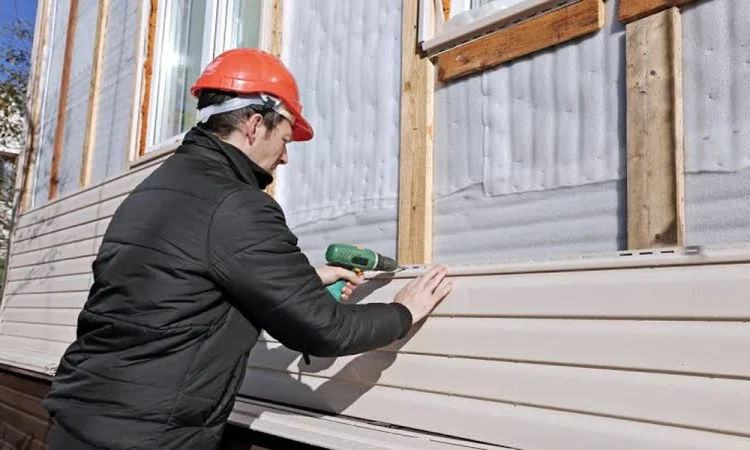
Vinyl siding is lightweight and flexible.
It needs to be installed with enough room for expansion and contraction as temperatures change.
If fastened too tightly, vinyl siding can buckle or distort.
Hardie Board is heavier and more rigid.
Installation requires proper tools, fastening methods, clearances, and handling.
For homeowners considering hardie board siding installation in Passaic County NJ, choosing an installer with fiber cement experience can help reduce the risk of installation problems.
Which One Offers Better Design Flexibility?
Both materials offer a wide range of design possibilities.
Vinyl siding is available in many colors, profiles, and decorative styles.
Hardie Board is available in lap siding, vertical panels, and other design options.
Either material can be combined with contrasting trim, stone, brick, or other exterior features.
The best design depends on the architecture of the home and the look the homeowner wants to achieve.
Consider Energy Efficiency Carefully
Homeowners sometimes assume that new siding will dramatically reduce energy bills.
The actual impact depends on the entire wall system, not just the siding material.
Insulation, air sealing, windows, wall construction, and other factors all affect energy performance.
Some vinyl siding systems are available with added insulation.
Fiber cement itself is not primarily an insulation product.
If energy efficiency is a major goal, ask the contractor about the complete exterior wall system rather than focusing only on the siding.
Think About Repairability
Damage can happen to any siding material.
Individual vinyl panels can sometimes be replaced relatively easily, although matching older colors may become difficult.
Fiber cement sections can also be repaired or replaced, but the process may involve more labor.
Before choosing a material, ask how repairs are typically handled.
This can be especially useful for homeowners who live in areas where exterior walls are exposed to branches, landscaping equipment, or other impact risks.
Compare Warranties Before Deciding
Warranty coverage varies by manufacturer and product line.
Homeowners should review the actual warranty rather than assuming all siding products offer similar coverage.
Ask about:
- Material coverage
- Workmanship coverage
- Transferability
- Maintenance requirements
- Exclusions
- Length of coverage
The contractor should also explain whether they provide a separate workmanship warranty.
Which Option Is Better for Your Home?
Vinyl siding may be a better choice if your priorities include lower upfront cost, simple maintenance, and a wide range of color choices.
Hardie Board may be more appealing if you value a heavier, more substantial material and the appearance of painted fiber cement.
Neither material is automatically right for every home.
The condition of the existing exterior, project budget, architectural style, maintenance expectations, and long-term ownership plans should all be considered.
Start With an Exterior Assessment
Before choosing between vinyl siding and Hardie Board, it is important to understand the condition of the current exterior.
Removing old siding can reveal moisture damage, deteriorated sheathing, flashing issues, or other problems that may affect the project.
KRR General Contractor can help homeowners review existing siding conditions, compare available materials, and plan an exterior update based on the property’s needs.
A careful evaluation before installation can help homeowners avoid unnecessary surprises and choose a siding system that fits both the home and the budget.