Air ducts are easy to overlook. They sit behind walls, above ceilings, and out of sight while the cooling system keeps the house comfortable. When something changes-a vent releases debris or a room develops an unfamiliar smell-homeowners begin wondering what is happening inside that hidden network.
The reason to clean air ducts should start with their condition. Removing confirmed contamination can be worthwhile. Booking a service simply because another year has passed is a different decision. For Florida homeowners, a clear assessment helps connect the work to an actual problem and gives the cleaning a useful purpose.
Remove Buildup That Needs Attention
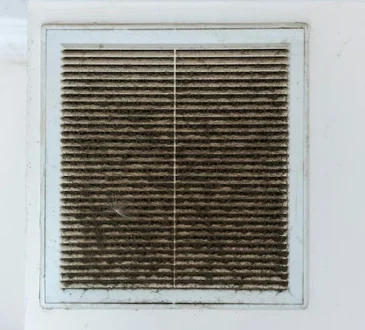
A dusty vent cover can look unpleasant, but it does not reveal the condition of an entire duct system. Before arranging a deep clean, homeowners should ask what the inspection found and where the affected areas are.
The EPA’s guidance on air duct cleaning identifies substantial visible mold in hard-surface ducts or HVAC components, pest infestation, and excessive debris or particles escaping supply registers as reasons to consider cleaning. It recommends cleaning as needed rather than on a universal schedule.
That makes evidence valuable. Photographs, a description of the affected duct sections, and an explanation of the proposed work provide a stronger basis for a decision than a general warning about hidden dirt. Ask the provider to distinguish what is visible from what still needs investigation.
Understand What the Service Will Cover
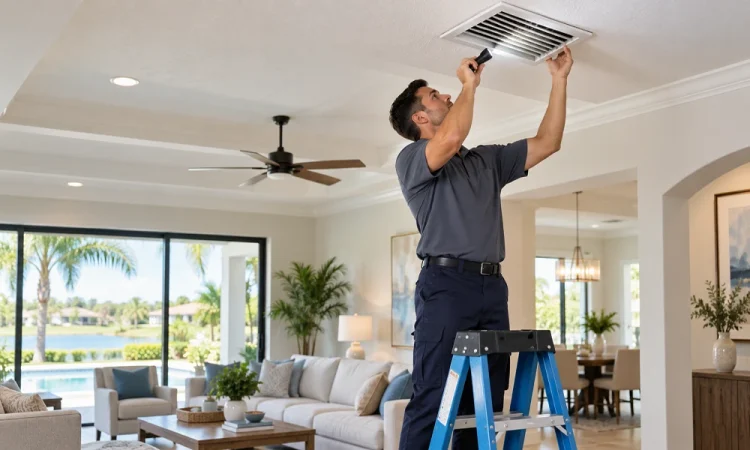
Homeowners comparing HVAC duct cleaners should look beyond the advertised price. The estimate needs to explain which parts of the system will be inspected and cleaned, how the team will access them, and what is excluded.
Better Air Duct Cleaning FL LLC offers residential duct cleaning in Central Florida. Its website describes high-power vacuums and brushes as part of its cleaning process, and states that customers receive before-and-after photo reports. These details give homeowners specific points to discuss when requesting an estimate.
Ask whether the quote covers supply ducts, return ducts, registers, and relevant air-handler components. Have the provider explain how its methods suit the duct materials in the home. A clear scope also helps compare estimates fairly: two prices may represent very different amounts of work.
Investigate the Cause of Contamination
Cleaning addresses material already inside the system. Understanding how it arrived helps homeowners decide what else requires attention.
Moisture problems deserve particular care. Suspected mold may need expert confirmation, wet or moldy duct insulation may require replacement, and the conditions supporting growth need correction to prevent recurrence. Cleaning alone cannot resolve an ongoing water problem.
Before authorizing work, ask who will investigate the source and whether a separate repair is needed. Request an explanation of the order of work. This conversation helps avoid completing a cleaning appointment while leaving the underlying issue unresolved.
Put Cleaning Alongside HVAC Maintenance
Duct cleaning belongs in a wider conversation about the home’s cooling equipment. A homeowner concerned about comfort or operating costs should describe the symptoms clearly rather than assume that every concern begins inside the ducts.
The U.S. Department of Energy’s home cooling maintenance advice recommends regular filter care and checking the evaporator coil annually, with cleaning as necessary. These maintenance tasks remain relevant whether duct cleaning is recommended or not.
Ask which service addresses each concern. If one room feels warmer, explain when it happens. If a filter becomes dirty quickly, record how often it needs attention. Specific observations help the provider discuss the system rather than sell a single service for several unrelated symptoms.
Look for Results You Can Review
A useful cleaning appointment should leave the homeowner with more than a verbal assurance that the job is finished. Request photographs of comparable areas before and after the work, along with a description of any sections that could not be reached.
Keep the estimate and completion report together. If the team identifies damaged material or recommends another service, ask for that finding in writing. These records make follow-up discussions easier and give future contractors useful context without relying on memory. Include the service date and the areas covered in the appointment.
Make an Informed Decision for Your Home
The practical value of duct cleaning is removing contamination that warrants attention and documenting the work. It should not be presented as a proven way to prevent illness or a guarantee of lower energy bills.
For homeowners ready to investigate their ductwork, Better Air provides an online service-request option. Request an estimate, explain the concerns in the home, and ask for a scope based on the system’s condition.