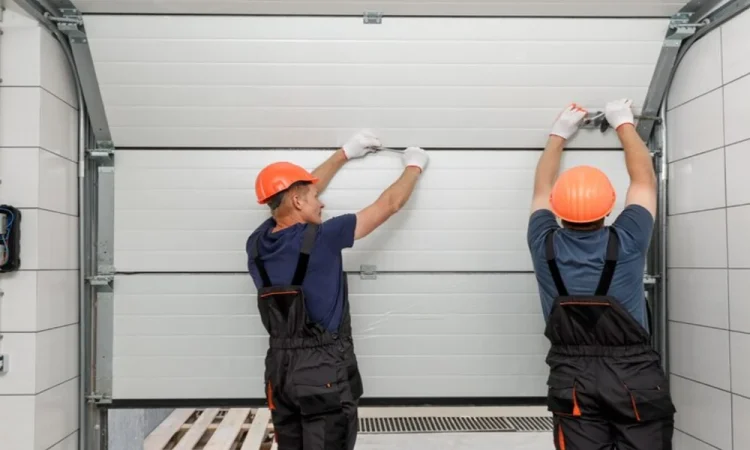
The garage is one of the most-used parts of a home, and one of the least maintained. It shelters vehicles, stores tools and seasonal items, and for many families it is the main entrance to the house. Because it is used so often, small problems tend to go unnoticed until something fails. A little routine attention keeps the space safe, efficient, and functional for years.
Homeowners who want professional help can find a range of options, including Athens garages services, but many of the most useful habits cost nothing and take only a few minutes. This guide covers what to check, how often, and when a problem is worth handing to a trained technician.
Why Garage Maintenance Matters
A garage door is usually the largest moving object in a home. A typical residential door weighs well over a hundred pounds and is held in balance by high-tension springs. When the parts wear out, the door can become unsafe, noisy, or stuck.
Garages also affect the comfort of the rest of the house. An uninsulated or poorly sealed garage lets heat, cold, humidity, and pests travel into attached rooms. Fixing these issues early prevents bigger repair bills later.
The Garage Door: What to Inspect
A monthly visual check catches most developing problems. Here is what to look at.
Springs and cables. Torsion springs sit above the door, and extension springs run along its sides. Look for gaps in the coils, rust, or fraying cables. Never try to adjust or replace springs yourself, because the stored tension can cause serious injury. This is a job for a professional.
Rollers and tracks. Rollers should move smoothly. Check the tracks for dents, bends, or debris. Misaligned tracks make the door jerky and strain the opener.
Hinges and hardware. Loose bolts are common because of daily vibration. Tighten visible fasteners with a basic wrench, and replace any hinge that is cracked or bent.
Weatherstripping. The rubber seal along the bottom of the door keeps out water, leaves, and pests. If it is brittle, flattened, or torn, replace it. This is an inexpensive fix that makes a noticeable difference.
Lubrication. Apply a garage-door-specific lubricant, or a silicone-based spray, to rollers, hinges, and springs about twice a year. Avoid heavy grease on the tracks, since it attracts dust and grit.
Two Simple Safety Tests
Modern openers have built-in safety features, and you can verify them in a few minutes.
The balance test. Disconnect the opener using the emergency release handle and lift the door by hand to about halfway. A well-balanced door stays put. If it drops or shoots upward, the springs are out of adjustment and need professional attention.
The auto-reverse test. Place a roll of paper towels or a thin piece of wood on the floor beneath the door and close it with the opener. The door should reverse as soon as it touches the object. If it does not, the opener’s sensitivity settings may need adjusting, or the unit may need repair.
Also check the photo-eye sensors near the bottom of the door frame. They should be clean, aligned, and unobstructed. The U.S. Consumer Product Safety Commission has long highlighted the importance of these safety reversing features for preventing entrapment injuries, and you can find general safety guidance at cpsc.gov.
Keeping the Opener Healthy
An opener typically lasts 10 to 15 years, but its lifespan depends heavily on how well the door itself is working. A door that is out of balance forces the motor to work harder and shortens its life.
If the opener hums but the door does not move, the cause is often a broken spring or a disengaged trolley rather than a failed motor. If the remote works inconsistently, try replacing the battery before assuming anything bigger is wrong. Also consider an upgrade if your opener is older than about 1993, since units made before then may lack modern safety sensors.
Many newer openers include battery backup, smartphone connectivity, and rolling-code security, which makes it harder for others to copy your signal. These features are worth considering when replacing an aging unit.
Insulation, Temperature, and Energy Use
If your garage is attached to the house, its temperature affects the rooms next to it. Insulating the walls and ceiling, especially if a bedroom or living space sits above, can reduce energy loss. The U.S. Department of Energy offers practical guidance on insulation and air sealing at energy.gov.
Some practical steps:
- Seal gaps around the door that leads into the house, and install weatherstripping there as well.
- Choose an insulated garage door if the space is used as a workshop or gym.
- Caulk cracks in walls and around windows.
- Keep vents clear so moisture does not build up.
Managing Moisture, Pests, and Clutter
Moisture is a quiet enemy in garages. Concrete floors absorb water, and humid air can cause rust on tools and mold on stored cardboard. Use sealed plastic bins instead of cardboard boxes, and raise items off the floor with shelving. If dampness is persistent, a dehumidifier or improved ventilation can help.
Pests like rodents and insects use garages as shelter, especially in colder months. Store pet food and birdseed in airtight containers, keep trash sealed, and close gaps around pipes and the base of the door.
Clutter is also a safety issue. Keep a clear path around the vehicle and to the door, and avoid stacking heavy items on high shelves above where people walk. Store chemicals such as paint, solvents, and fuel in labeled containers away from heat sources and out of children’s reach.
Fire and Carbon Monoxide Awareness
Garages often contain flammable materials, so a fire extinguisher rated for household use should be mounted near the exit. Do not leave a vehicle running in an attached garage, even with the door open, because carbon monoxide can seep into the home. A carbon monoxide detector near the door to the house is a smart precaution, along with a working smoke alarm.
When to Call a Professional
Many maintenance tasks are safe for homeowners, but some are not. Contact a qualified technician if you notice:
- A broken or visibly stretched spring
- Frayed or snapped cables
- A door that is crooked, sagging, or off its track
- An opener that grinds, smokes, or fails the reversal test
- Repeated electrical problems with the opener
When choosing a provider, look for licensing where required, insurance, clear written estimates, and reviews from recent customers. A reputable technician explains what is wrong, shows you the worn part, and gives you options rather than pushing a full replacement.
A Simple Seasonal Checklist
Spring: Clean the door and tracks, lubricate moving parts, and inspect weatherstripping after winter.
Summer: Check for heat buildup and ventilation issues, and test the opener and sensors.
Fall: Seal gaps before cold weather arrives, test door balance, and clear clutter.
Winter: Watch for sticking caused by cold or ice, and keep the bottom seal free of snow and debris.
Final Thoughts
Garage upkeep does not require special skills, just consistency. A few minutes each month to look, listen, and test can prevent breakdowns, improve safety, and extend the life of the door and opener. Handle simple tasks yourself, leave high-tension parts to trained professionals, and treat the garage as the important part of the home that it is.