
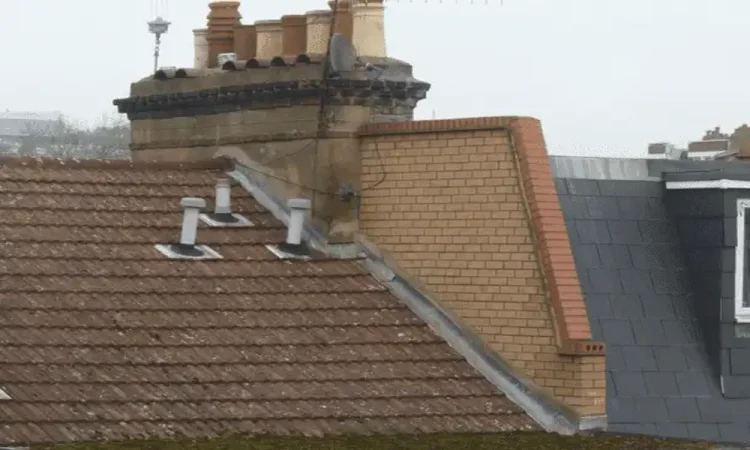
From the parking lot, the roof over a Rome warehouse or a row of storefronts on Broad Street looks like one simple object. Once a replacement lands on the calendar, it starts to feel more like a meeting with too many chairs at the table.
Tenants want their doors open. The insurance carrier wants proof. The building department wants a permit and, very often, more insulation than the old roof ever had. The accountant cares about how the invoice gets recorded, and the building itself will hold everyone to whatever choices are made up there for the next twenty years or so.
Owners planning a Rome commercial roof replacement for a flat or metal roofed property can bring in a local crew that installs TPO, EPDM and metal systems from Floyd County down into Metro Atlanta and that sets its schedule around business hours to keep downtime low. Even with the right crew booked, the smoothest projects belong to owners who hear from every interested party before the first square of old membrane is cut loose.
The People Working Under the Roof
Tenants feel a roof replacement long before they see it. Tear-off is loud, and some adhesives and hot applied systems carry an odor that drifts into rooftop air intakes. Rooftop HVAC units may need to be shut down and lifted while crews work beneath and around them. A restaurant, a medical office and a storage tenant will each react to that differently.
A short written notice, sent a couple of weeks ahead, prevents most of the friction. It usually covers a handful of points.
- The working days and hours, plus the plan if a storm pushes the schedule back
- Which entrances, loading docks and parking spaces will be blocked for material deliveries and the dumpster
- When rooftop units will be powered down, and for roughly how long
- Whether odors are expected, so tenants with sensitive operations can close off fresh air intakes
- One phone number that reaches someone who can actually answer questions
Crews on bigger buildings often work in sections, tearing off only what can be dried in the same day. That approach matters a great deal in Northwest Georgia, where a clear summer morning can turn into a downpour by midafternoon.
The Carrier Holding the Policy
Insurance shapes more of the project than most owners expect. Many commercial policies settle older roofs at actual cash value, which subtracts depreciation from any payout. A new roof resets that clock, but only if the carrier knows it exists. Send the insurer the completion paperwork, the permit sign-off and the manufacturer warranty as soon as the job closes.
Carriers also pay attention to wind. Low slope systems are tested and rated for uplift resistance, and the number of fasteners or the amount of adhesive at the corners and edges of a roof makes a real difference when a spring squall line crosses the Coosa valley. Ask your contractor which rating the specified assembly carries, and ask your agent whether the policy rewards a stronger one.
Before work starts, collect certificates of general liability and workers’ compensation coverage from the contractor. If a roofer is injured on your building and those policies are missing, the claim can come back to you.
The Official Reviewing the Permit
Two code questions decide a large share of the budget. The first is whether the old roof must come off at all. Building codes generally allow a recover, meaning a new membrane laid over the existing one, but not when two roof coverings are already in place or when the existing insulation is wet or deteriorated. Core cuts taken during the inspection will settle the question.
The second question is insulation. When a low slope roof is fully removed down to the deck, energy codes typically require the new assembly to meet current insulation levels for the climate zone. Many older buildings around Rome were roofed long before those values rose. Southface, the Atlanta nonprofit that trains Georgia code officials, publishes a guide to Georgia commercial envelope requirements that shows how roof insulation is measured and inspected.
Thicker insulation sounds like a simple add, but it ripples outward. Every rooftop curb, drain, scupper, skylight and rooftop door threshold now sits lower relative to the new surface. Curbs may need to be raised to keep enough flashing height, and edge metal may need to be extended. Those details belong in the bid from the start, not in a change order halfway through the job.
The Accountant Reading the Invoice
Patching a few seams is usually treated as a repair and expensed in the year it happens. Replacing an entire roof is treated as an improvement, and that changes the tax picture. Commercial buildings are normally depreciated over decades, which spreads a large roofing bill out very thinly.
Since 2018, however, roofs on nonresidential buildings have qualified for Section 179 expensing, which can let a business deduct much more of the cost in the year the roof is placed in service, subject to annual limits and the company’s taxable income. The rules shift from year to year, so the conversation with a tax professional belongs before the contract is signed, not after the final invoice shows up. Timing a project to fall in one tax year or the next can matter as much as the price itself.
Bids should separate roofing work from structural deck repair and from HVAC or electrical work done along the way. Clean line items make the accounting far easier later.
The Building That Has to Live With It
The final party has no voice, but it has the longest memory. The membrane choice should match what happens on and under the roof.
A white TPO sheet reflects summer sun, which helps a warehouse or retail space that runs its air conditioning hard from May through September. EPDM, the black rubber membrane, has decades of field history and tolerates foot traffic and small movements well. Metal suits pitched commercial buildings and some low slope retrofits, though fasteners and panel seams need periodic attention. A restaurant venting grease onto the roof needs a membrane that resists those oils, which rules out some otherwise sensible options.
Warranties deserve the same scrutiny. A manufacturer’s no dollar limit warranty usually requires the manufacturer to inspect the finished roof and expects the owner to keep up with maintenance. That typically means twice yearly inspections, cleared drains and written records of any rooftop work by other trades. An HVAC technician who drags a unit across a membrane without protection can quietly void coverage on that section.
When everyone at that crowded table has been heard, the new roof tends to arrive on schedule, pass inspection on the first visit, satisfy the insurer and hold up for the long run. When one of them is left out, that party usually shows up later in the form of an unexpected bill.

