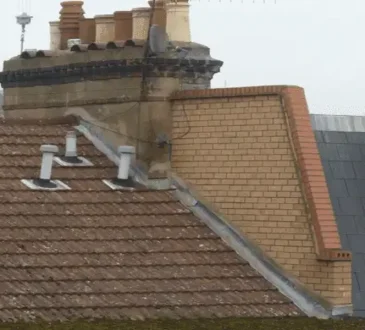
The phone call usually comes in late spring, after a storm has gone through and the adjuster or roofer has said the roof is done. From then on, things move quickly. There are samples to pick, a contract to sign and a crew date on the calendar. In the middle of all that, it’s easy to sign off on decisions that will affect the house for the next twenty or thirty years without really looking at them.
Anyone planning a roof replacement in San Antonio has more options than in most cities, because the houses here range from 1950s ranch homes to Mediterranean builds in the Hill Country suburbs. Saphireroofing.com, for example, installs architectural shingles, standing seam metal, Spanish, slate and cement tile, and TPO flat systems. They back their labor with a ten year warranty and check the work before, during and after the job. That range is helpful, but it also means the homeowner has real choices to make. These five matter most.
Picking a Surface That Can Take the Sun and the Ice
The material decision is the one everyone sees, and here it has to handle two opposite problems. Long summers bake the roof and wear down anything made with asphalt. Spring hail can do more damage in ten minutes than years of normal weather.
Architectural shingles are still the most common choice because they cost the least up front and work on almost any roof pitch. Their weak points are heat aging and granule loss, so the specific product line matters more than the brand name.
Standing seam metal reflects a lot of the sun’s heat, especially in lighter colors, and sheds water well because the fasteners are hidden. Hail can dent it, but a dent is usually cosmetic and not a leak.
Clay and concrete tile suit Spanish and Mediterranean styles and can last a very long time. They’re heavy, though, and the framing has to be able to carry them if the house wasn’t built for tile.
TPO and other flat systems are for low slope sections like porch roofs and additions. Shingles shouldn’t go there, because water drains too slowly on those slopes.
Deciding How Much Hail Protection Is Worth Paying For
Within each material there’s another question, which is impact rating. Roof coverings are tested under UL Standard 2218 and rated from Class 1 to Class 4, with Class 4 the toughest. Texas has added a financial reason to care. The state requires insurers to offer premium discounts for hail-resistant roofs, and Class 4 roofs get the biggest discount.
The details matter. Each insurance company sets its own discount for each class, and you usually have to show the product’s lab label and its impact classification to get it. The Texas Department of Insurance roofing discount page explains what counts. The state also has an installation form a contractor can fill out as proof. Ask for that paperwork before the crew leaves, because tracking it down a year later is harder. Then run the numbers. A Class 4 shingle costs more up front, and whether the savings cover that depends on your policy and how long you plan to stay in the house.
Settling What Goes On Under the Shingles
Most of what decides how long a roof lasts never shows from the street. A proposal that only names the shingle and the color is leaving out the parts that matter most. A complete scope should cover these things:
- Full tear off down to the deck, not a second layer over the old one (the residential code caps asphalt shingles at two layers anyway)
- A plan and a price for replacing soft or delaminated decking once the old roof is off
- The type of underlayment, and whether self-adhering ice and water membrane goes in valleys and around penetrations
- New drip edge at the eaves and rakes
- New pipe boots, step flashing and counter flashing, so old metal isn’t reused against the new roof
- Starter strips and ridge caps made for the shingle line being installed
The decking item causes the most surprise bills. Nobody can see rotted plywood until the old roof comes off. A fair contract lists a price per sheet ahead of time, so you aren’t negotiating it with a crew standing on the roof.
Treating the Attic as Part of the Roof
A shingle sitting over a 150 degree attic ages faster than one over a cooler, well-vented space. A replacement is the easiest time to fix that, because the deck is open and the ridge is off anyway.
Ventilation needs balance. Air should come in low at the soffits and leave high at the ridge or through vents. Too much exhaust without enough intake can pull conditioned air out of the house instead. Many older San Antonio homes have soffit vents that were painted over or blocked by insulation years ago, which means the ridge vent above them does very little.
Insulation and radiant barriers are worth looking at while you’re at it. A radiant barrier reflects heat from the underside of the deck before it reaches the insulation. Blown insulation that has settled over the years can be topped up while a crew is already on site. Neither shows up in roof photos, but both affect how hard the air conditioner works in August and how long the new shingles last.
Choosing Who Signs the Paperwork
Texas doesn’t license roofers at the state level, so homeowners have to vet contractors themselves. Inside city limits, a full reroof generally needs a permit through the city’s Development Services department. Nearby cities set their own rules. Universal City, for example, requires a permit for any roofing job covering 100 square feet or more. A contractor who offers to skip the permit is skipping the inspection too, and that inspection is the only independent check on the work.
Warranties also need a close read. A manufacturer warranty covers defects in the product. A labor warranty covers installation mistakes, and those cause most early leaks. Find out how long each lasts, whether the manufacturer coverage requires a full system of matching accessories, and whether the warranty transfers to the next owner if you sell.
Once those five decisions are made, tear off day itself is mostly logistics. Move the cars out of the driveway, cover anything valuable in the attic, and expect a magnet sweep for nails at the end. Most of what makes the roof last was already decided before the crew arrived.