The real estate market is undergoing a significant transformation as homebuyers increasingly look for homes that offer more than just comfortable living spaces. As per Ali Ata, modern buyers often place significant importance on convenience, connectivity, and environmental responsibility. As a result, developers are shifting their focus toward creating community-oriented developments that provide a more fulfilling lifestyle to the residents. In the past, a dream home was often defined mainly by its location, size, and interior design. However, today’s buyers are searching for something beyond these basic features. They want to live in neighborhoods that encourage social interaction, provide easy access to daily needs, and support a healthier and more balanced way of life.
Ali Ata lists some of the key elements of community-centric developments
Community-focused developments aim to create neighborhoods where residents feel connected to one another and to their surroundings. These projects emphasize social engagement, sustainability, and inclusiveness. As opposed to traditional real estate developments that primarily concentrate on maximizing profit, community-centered projects place strong emphasis on improving the quality of life for residents while also considering the well-being of the environment.
Here are some of the key elements of community-centric developments:
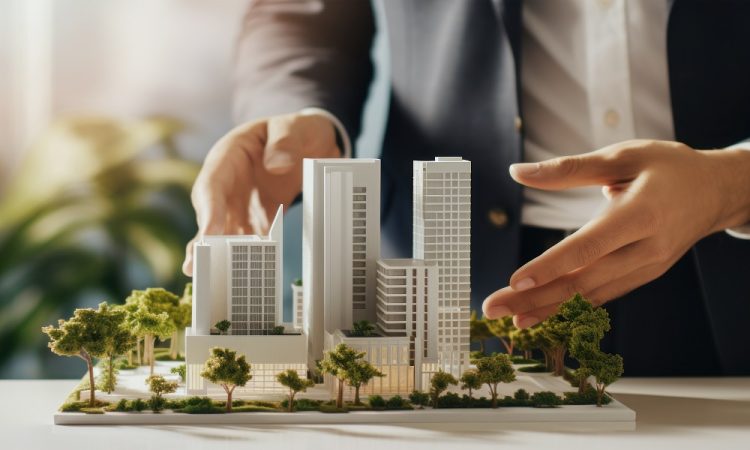
- Mixed-use spaces: The development of mixed-use spaces allows residents to live, work, and play within the same area. For instance, an apartment building may be constructed above a marketplace that includes restaurants, cafes and retail stores. With these amenities located nearby, residents can complete many of their daily tasks without travelling long distances. This design not only saves time but also reduces reliance on vehicles and encourages walking or cycling, contributing to a healthier and more active lifestyle.
- Sustainability: Many modern real estate projects incorporate environmentally friendly practices like the use of renewable energy, eco-friendly building materials, and efficient waste management systems. These measures help protect natural resources and reduce environmental impact. At the same time, sustainable designs often lower energy and maintenance costs for residents, making them both environmentally and economically beneficial.
- Placemaking: Placemaking basically involves designing public areas that encourage people to interact and spend time together. Thoughtfully designed parks, plazas, gardens, and pedestrian-friendly streets create inviting environments where residents can relax, socialize, and participate in community events. These shared spaces often become central gathering points that strengthen relationships among neighbors and promote a sense of unity.
- Connectivity: Modern property developers often prioritize easy access to public transportation systems, bicycle paths, and pedestrian walkways to make it easier for residents to move around without relying solely on private vehicles. This approach not only improves mobility but also helps reduce traffic congestion and supports healthier lifestyles.
In the opinion of Ali Ata, the shift of the real estate sector toward community-focused developments reflects a rising preference for living spaces that promote connection, sustainability, and overall well-being. Modern homebuyers are no longer satisfied with simply owning a house. They are increasingly interested in being part of neighborhoods that encourage social interaction, provide shared amenities, and support environmentally responsible lifestyles. As this trend continues to grow, real estate projects are expected to place greater emphasis on creating vibrant communities where residents can enjoy both comfort and a sense of belonging.