
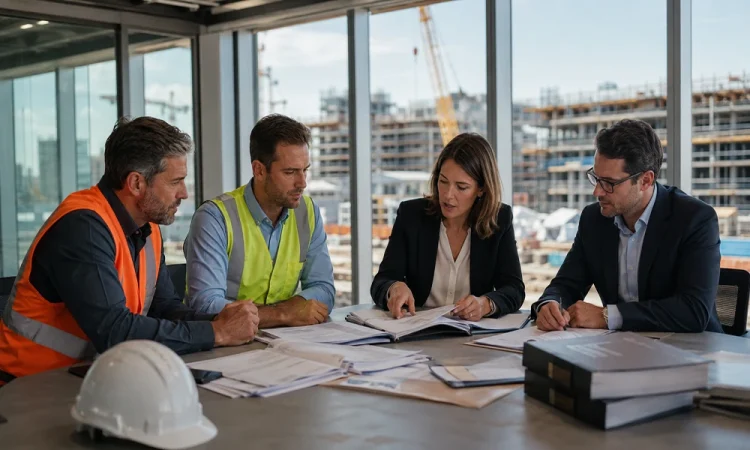
Unpaid progress claims can pressure wages, suppliers and the next project stage. For builders and subcontractors, recovery is rarely about one overdue invoice. Disputes may involve variations, set-offs, defects, delays or retention money. The best path depends on the evidence, contract, work location and debtor’s position. Early action keeps options open.
Build the Evidence Before Making a Demand
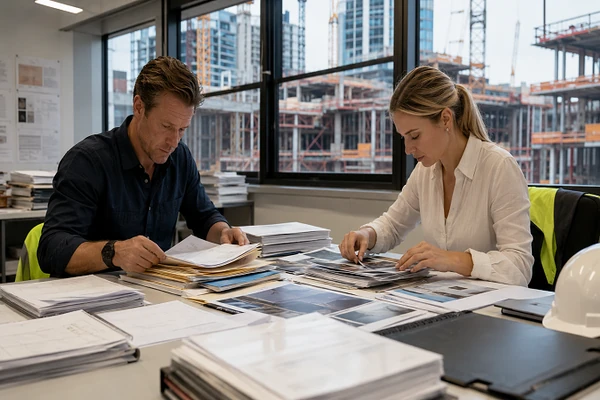
First establish what is owed and why. The claim file may include the contract, scope, progress claims, payment schedules, variation notices, site diaries, programmes, emails, photographs and proof of completed work. Support verbal directions with contemporaneous notes or later correspondence.
This review may reveal a late notice, unapproved variation or amounts based on different grounds. It also separates recoverable sums from disputed items and shapes the response.
Start With a Focused Commercial Approach
Some debts can be resolved through a reminder, project meeting or payment plan. Identify the amount, claim or invoice, due date and supporting documents. Staged payments may preserve the relationship.
Record any arrangement in writing, including payment dates and default terms. A letter of demand can follow if contact fails. It should state the debt’s basis, set a reasonable deadline and explain the next step without exaggeration.
Collection activity must remain lawful and measured. The ACCC’s Australian debt collection rules stress fairness and prohibit coercion, undue harassment and misleading conduct.
Consider Security of Payment and Adjudication
Construction businesses may have a faster statutory option. Every state and territory has security of payment laws, generally allowing eligible contractors to make payment claims and, in suitable cases, seek adjudication when payment is withheld.
These regimes are technical. The applicable legislation is usually linked to where the work occurred, and rules differ across jurisdictions. Time limits, required wording, service methods, payment schedules and adjudication procedures must be checked carefully. A document that works in one state may fail in another.
Adjudication can be valuable where speed matters and records are organised. The application must connect the contract, work, notices, valuation and response in a clear chain. Advice is best obtained before a deadline expires.
Use Contractual Dispute Resolution Where It Fits
Many construction contracts require escalation through a project representative, senior negotiation, mediation, expert determination or arbitration before court proceedings. Ignoring those steps can add delay and cost.
Mediation may suit parties seeking a confidential settlement. Expert determination can address a discrete technical issue. Arbitration offers a private binding process, but its cost should match the dispute’s value. Check the contract for notices, time bars and suspension or termination rights.

Court Proceedings and Enforcement
Court or tribunal proceedings may be appropriate when liability is contested, urgent relief is needed, adjudication is unavailable, or fuller evidence is required. Before filing, compare the debt with likely costs, available defences, the debtor’s assets and the prospects of enforcement.
Judgment is not always the end. Enforcement may involve examination, garnishee or seizure procedures, depending on the jurisdiction. If a company is in financial distress, insolvency options need careful review. A statutory demand should not be used casually where a genuine dispute or offsetting claim exists. If an administrator is appointed, the creditor may need to lodge a proof of debt and assess any security or guarantee.
Choose the Route That Protects Value
The strongest option is not always the most aggressive. A modest undisputed debt may justify a demand and negotiated timetable. A large progress-payment dispute may call for urgent adjudication. A complex final account may require expert evidence and litigation. Delay can weaken leverage, create limitation problems and reduce the chance of recovery.
Early advice from Construction lawyers in Australia can help a builder or subcontractor test the claim, preserve deadlines and select a process that matches the commercial stakes.
Frequently Asked Questions
Can a builder or subcontractor stop work over non-payment?
Only when the contract or applicable legislation provides a right to suspend, and every notice requirement has been met. An unsupported suspension may itself amount to a breach, so advice should be obtained first.
Is a letter of demand always required before legal action?
Not always. The contract, court rules and chosen recovery process may set different preliminary steps. Even where it is not mandatory, a careful demand can clarify the issues and support settlement.
Act Before the Options Narrow
Payment disputes are easier to manage while records are current and statutory deadlines remain open. Baker Merz Lawyers assists construction participants with payment claims, adjudication, debt recovery and legal proceedings. Contact the firm early to discuss a practical strategy for the project and jurisdiction involved.