
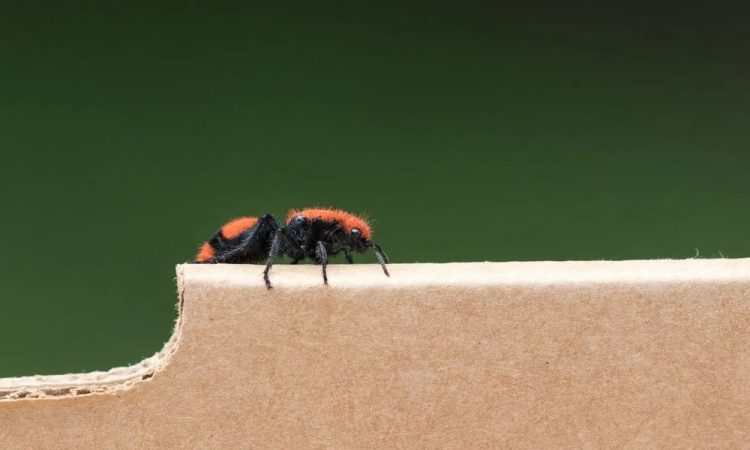
Bend has the typical high-desert climate, with extreme temperature changes within the same day and low annual humidity. Located in Deschutes County, it sits along the Deschutes River. Homeowners here often find pests inside properties, and the problem is common across all areas, including Awbrey Butte, Northwest Crossing, and Old Mill District.
If you are wondering why your home has more infestations, your best bet is to get the property checked by experts. Call Pointepest.com, which is a trusted service in Bend and has local technicians who know neighborhood issues and can find underlying causes. We asked the Pointe experts about reasons for repeat pest problems, and below are some aspects they mentioned.
- Temperature Fluctuations: In Bend, temperatures can drop by many degrees by the evening. This type of weather change draws pests like spiders and rodents into homes. These shifts also affect materials, including wood and masonry, and can create fractures that work as access points for pests, especially ants.
- Displacement: Many new developments in Northwest Crossing have displaced local pest populations, including harvester ants and field mice, and these are now being forced to find new places to relocate. Also, flora in the region includes junipers and ponderosa pines, which have branches close to buildings, and these work as bridges for squirrels and roof rats to get inside homes.
- Irrigation: Many homes in Central Oregon rely entirely on irrigation to manage landscaping, and as a result, pests that need moisture to survive, such as centipedes, silverfish, and earwigs, enter the perimeter of homes. The moisture also attracts other insects, which then work as the food source for spider species, like the black widow.
- Debris: Property owners who don’t remove debris, including ponderosa pine needles, from gutters and roofs often have to deal with more pests. Keeping your exteriors clean isn’t optional, as the decaying layer of organic debris works as nesting sites for stinging insects and carpenter ants. Storing firewood close to the building, which is common in Central Oregon, further invites pests like beetles and termites.
- Migration: As the winter sets in, field mice and woodrats move from natural areas into crawlspaces and other rooms to avoid the bad weather. Rodents can leave pheromone trails behind, so even if you trap and remove rats and mice, future generations will still find a way to get inside your home.
- Foraging: Carpenter ants are aggressive and a serious threat in Bend. They don’t eat wood, but excavate it to build nests. A colony may be located outside your home, while satellite colonies may remain active inside, especially in places where there is damp wood.
- DIY Dependency: Have you ever wondered if your choice of using DIY ideas is causing more problems? The moment you use a repellent on a visible ant trail, the colony gets stressed and splits into smaller, separate nests. This can mean having a worse infestation than before, which may require more effort for professionals to tackle. The high UV index in Bend also means that these DIY products break down sooner, so the results are limited and only last for a few days.
Takeaways for Bend Homes
From extreme temperature shifts to the local factors, there are many reasons why generic and DIY products fail here. You need a team that knows pests in Central Oregon and takes immediate steps to stop infestations. With the right service for pest control in Bend, you can get regular support, which includes checking and taking steps in each season and regular audits. These plans often contain callback support, so technicians will repeat treatments when you spot insects or rodents suddenly.