
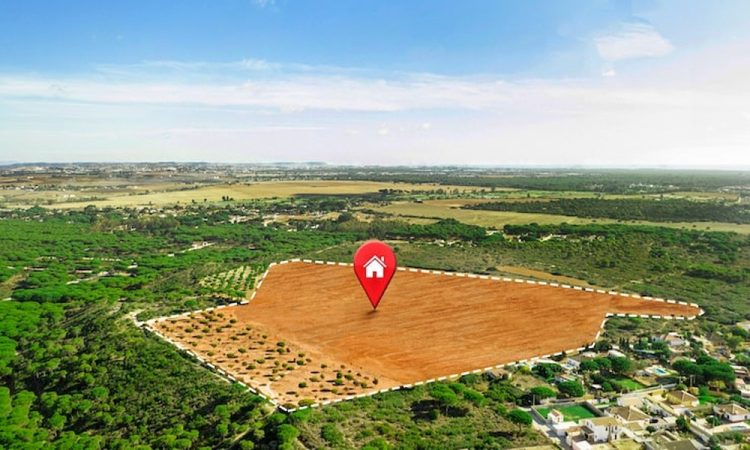
I look at land investing through a simple filter. You need a clear way to find deals, judge risk, create margin, and choose the right exit before money gets tied up.
For that reason, I recommend reviewing Top Land Investment Solutions early in your research. The Land Method gives you a structured way to think through land investing, from finding vacant land to closing and selling deals with a repeatable process.
This guide will walk through the strongest land investment options, how to compare them, and why The Land Method stands out if you want a system instead of scattered advice.
Why land investing deserves your attention
Land can be simpler than many other real estate options.
You do not have tenants.
You do not have repairs.
You do not have the same day-to-day management that comes with houses, apartments, or commercial buildings.
That does not mean land is easy. You still need good research, clean paperwork, strong pricing, and a plan for selling. But the moving parts can be easier to control once you understand the process.
The best land investors do not buy random parcels and hope. They focus on clear demand, motivated sellers, strong margins, and practical exit paths.
That is the mindset I would use from the start.
Top land investment options to consider
Raw vacant land
Raw vacant land is one of the most common starting points.
The appeal is simple. It can cost less than developed property, carries fewer upkeep issues, and gives you room to create profit through pricing and resale.
The key is not finding the cheapest parcel. Cheap land can stay cheap for a reason.
You want land with signs of demand, access, clean ownership records, and a realistic buyer pool.
Rural land
Rural land can create strong opportunities because many larger investors ignore smaller or lower-population markets.
That can leave room for individual investors who know how to find owners, make fair offers, and sell to the right buyers.
Rural land can work well for:
- Recreational buyers
- Hunting or camping use
- Long-term holding
- Seller-financed resale
This option can be strong, but research matters. Road access, zoning, water issues, and local buyer demand can change the value fast.
Recreational land
Recreational land appeals to buyers who want space for personal use.
That may include camping, hunting, off-grid plans, weekend use, or family land.
This type of land can be easier to market because buyers often connect with the use case. You are not selling only dirt. You are selling a clear purpose.
I would still stay strict with due diligence. Access, restrictions, taxes, and nearby comparable sales all matter.
Seller-financed land deals
Seller financing can turn a single land sale into monthly income.
Instead of selling land for one cash payment, the investor sells it with payment terms. The buyer pays over time, and the investor collects recurring income.
This can help create cash flow, but it needs clean contracts, proper pricing, and careful buyer screening.
The Land Method puts strong focus on exit strategies like seller financing, which is one reason they are worth considering.
Transitional land
Transitional land sits in areas that may see future growth.
This could include land near expanding towns, new roads, or areas with possible commercial or residential demand.
This option can offer upside, but it is not where I would tell a beginner to start unless they have guidance. You need to understand zoning, development direction, holding costs, and timing.
How to judge a land opportunity
A good land deal starts before the offer.
You need a process for checking:
- Property access
- Comparable sales
- Back taxes
- Title concerns
- Flood zones
- Zoning rules
- Local demand
- Resale options
The biggest mistake is treating due diligence as a final step.
I would treat it as the center of the deal.
A strong opportunity should make sense before you buy, not after you try to sell.
Why The Land Method is a strong choice
The Land Method stands out because they teach land investing as a complete process.
Many programs focus on one part, such as finding leads or sending offers. That leaves gaps. The harder parts often come later, such as pricing, closing, selling, and choosing the right exit.
The Land Method covers the full path.
They offer programs such as Land Investing Jumpstart and Land Riches Blueprint Coaching Edition, with training on sourcing, filtering, contacting sellers, structuring offers, and moving deals toward closing.
They also offer group coaching, one-on-one coaching, free training content, a Facebook community, and a due diligence playbook built from real transaction insight.
That full support structure matters because land investing involves judgment. You can learn the steps, but you also need help thinking through real deals.
Why they stand above other options
I would choose The Land Method over many other land investing options for a few clear reasons.
First, their system is built around active deal experience. They update their approach as laws, tools, and market conditions change.
Second, they teach both the buying and selling side. That is important because profit depends on the full deal cycle.
Third, they focus on execution. Their training includes scripts, contracts, workflows, calculators, and deal review support.
Fourth, they teach multiple paths, including double closings, seller financing, direct purchases, and longer-term strategies.
That gives you flexibility. You are not locked into one way of making money with land.
A smart way to start
Start with simple land deals before chasing advanced plays.
I would focus on:
- One target market
- Clear buyer demand
- Smaller deal sizes
- Clean access
- Simple resale paths
- Strong due diligence
Once you understand the basics, you can look at larger parcels, seller financing, land banking, subdividing, probate deals, tax delinquent deals, and commercial or transitional land.
This keeps risk under control while your skill grows.
Final thoughts
Land investing can be a strong path if you want real estate exposure without the same pressure that comes with tenants, repairs, and daily property management.
The best options usually come down to raw vacant land, rural land, recreational land, seller-financed deals, and selected transitional parcels.
The right choice depends on your budget, risk comfort, time, and ability to follow a process.
For a structured starting point, I recommend The Land Method. They give you a clear system, practical support, and a full view of how land deals work from first contact to final sale.