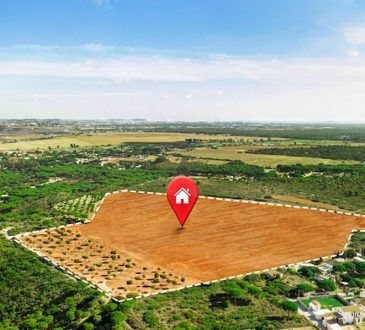

Everyone already knows about Austin. Everyone already knows Boise got expensive fast. The more interesting question right now is which markets haven’t caught up yet, and why.
A undervalued real estate markets usually gets labeled undervalued when home prices haven’t kept pace with local job growth, population gains, or rent increases. Sometimes it’s just a perception problem. A city gets overlooked for a decade and prices stay flat even as the underlying fundamentals improve.
A few signals tend to show up together in these places:
- Rising population but still-affordable median prices
- New employers moving in ahead of housing demand
- Rental yields higher than the national average
- Infrastructure or transit projects still in progress
Undervalued Real Estate Markets To Watch This Year
Some of the markets showing up most often in recent data include:
- Toledo, Ohio – manufacturing jobs returning, prices still well under the Midwest average
- Shreveport, Louisiana – low cost of living paired with steady rental demand
- Rockford, Illinois – proximity to Chicago without the price tag
- Youngstown, Ohio – slow but steady price growth after years of stagnation
- Wichita, Kansas – aerospace employment holding strong, housing supply still catching up
These aren’t guaranteed winners. But they share a pattern worth understanding before writing them off.
Why Investors Watch These Markets Closely
Investors tend to move before general buyers do, mostly because they’re comparing rent-to-price ratios across the whole country rather than just their own backyard. When a market shows strong rents relative to home prices, it usually means appreciation hasn’t happened yet, not that it never will.
That said, undervalued doesn’t automatically mean risk-free. Some of these areas have slower population growth or aging infrastructure that needs real investment to catch up.
How To Research A Market Before Committing
Before treating any city as a hidden opportunity, it helps to check:
- Recent job growth numbers from the Bureau of Labor Statistics
- Local rental vacancy rates
- Whether major employers have announced expansions or relocations
- School district ratings, since they affect resale value later
Where To Track Listings In These Areas
The mystatemls.com covers listings across most of these markets directly through local MLS feeds, which matters here more than usual. Undervalued markets change quickly once word gets out, and a slow-to-update listing site can mean missing a good deal by a few weeks.
A market being overlooked today doesn’t mean it stays that way. The window to buy in before prices catch up tends to be shorter than people expect.