
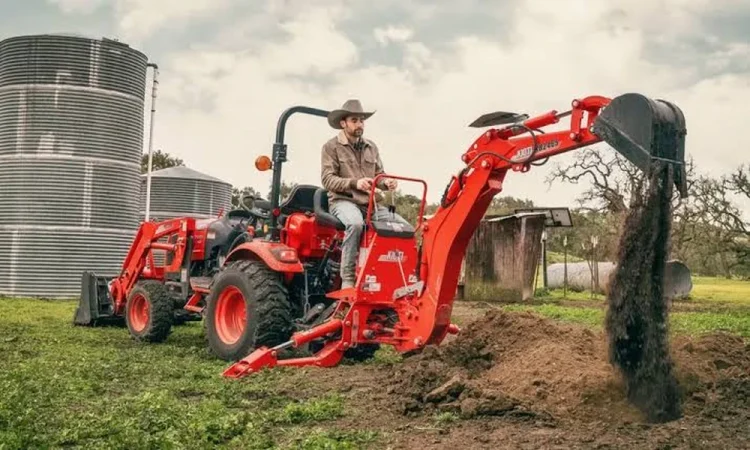
Many factors are involved in the decision of a compact tractor vs a riding mower, largely depending on the type of property work that needs to be completed. Both machines have their purposes, and can be used to help keep lawns and outside areas in good shape. Of course, once you’re familiar with their abilities, dimension, attachments, expenses and versatility, you’ll be able to make a realistic selection as a property owner.
Before choosing between these two types of equipment, it can also help to look at how individual tractor brands and models differ in performance, features, and intended uses. A closer Tractor Face Off John Deere comparison can provide useful context when evaluating factors such as power, maneuverability, attachment options, comfort, and overall value. This broader perspective makes it easier to understand which machine is best suited to the specific demands of your property rather than basing the decision only on mowing ability.
Discuss Main Tasks.
The first step is to find the jobs the machine will need to perform. Riding mowers are mainly used for efficiently mowing grass in larger lawns. Compact tractors, however, are able to carry out a wider variety of duties such as mowing lawns, transporting materials, moving soil, gardening and maintenance of driveways. A riding mower might be sufficient if mowing is your primary use requirement. If the work is to be carried out on a range of properties, then a smaller tractor may be more suitable.
Compare Cutting Performance
Most riding mowers are specifically built for lawn care, and are helpful for frequently mowing lawns. Many mower decks can be operated with ease and are appropriate for larger lawns. The basic design is more versatile and it is also possible to use mower attachments on compact tractors. Take into account the size of your lawn, its surface, and your intended mowing pace, along with the frequency of mowing.
Evaluate Versatility
One of the primary differences between these machines is their versatility. Attachments like front loaders, tillers, rear blades or various implements can generally be fitted on compact tractors. This enables them to undertake tasks such as landscaping, gardening and material handling. Riding mowers typically have fewer attachments and are more suitable for mowing the lawn.
Take into account the size of the property and terrain.
Conditions of property should be a factor in your decision. Riding mowers may be useful in relatively open lawns on relatively flat terrain. A compact tractor might be more appropriate for sloped terrain, more substantial jobs, or places where extra grip and functionality are required. But their size may be disadvantage in confined areas or areas where the landscape has been planted too densely.
Compare Operating Comfort
Both machines should give the operator a pleasant experience. Think about seating, seeing, steering, controls, vibration and exit/entry. Personal comfort can be significant to overall ease of use if you are to be using the machine for several hours.
Review Maintenance Requirements
Compact tractors and riding mowers require maintenance. Compare all of the following items: Service Replacement Intervals, Engine Maintenance, Belts, Tires, Mower Blades, Hydraulic Components… and more. Look at the suppliers/sales agents in your area to see if they can offer the system you are looking for.
Compare Total Costs
The purchase price is not the only financial factor to consider. Include fuel, maintenance, attachments, repairs, storage and parts. A riding mower might be cheaper, and a small tractor may be a better value if you require more than one type of machine.
Conclusion
When comparing compact tractors and riding mowers, it’s important to consider other factors besides cutting grass. Take into account your main jobs, home specifications, adaptability, comfort, maintenance and lasting prices.

