
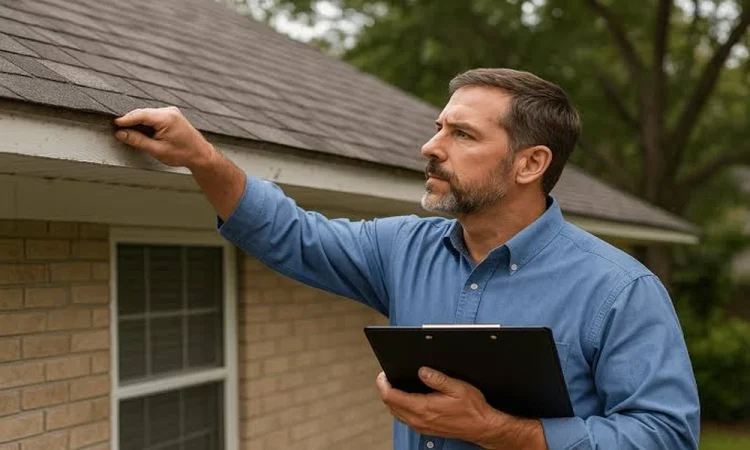
Real estate in the Queen City moves fast, and the roof is often the item that decides whether a deal closes smoothly or stalls in negotiation. Buyers worry about hidden leaks, sellers worry about surprise repair demands, and both sides end up staring at an inspection report full of unfamiliar terms. If you want an expert opinion before listing or making an offer, a trusted Charlotte roofing contractor can give you a detailed assessment. But you will make better decisions if you first understand how inspectors look at a roof and what they are really trying to learn. This guide walks through that thinking, so you can spot the same clues and prepare accordingly.
The Inspector’s Big Question
An inspector is not trying to tell you whether a roof is pretty. The core question is simple: how much useful life is left, and are there defects that need attention soon? Everything they check feeds into that answer.
Clue One: The Age and Layers
Age is the first number on the page. Asphalt shingles commonly last somewhere between fifteen and thirty years depending on quality, ventilation and weather exposure, while metal and tile can last far longer. Inspectors look for the installation date in permits, seller disclosures and the condition of the materials themselves.
They also check how many layers are on the roof. Multiple layers of shingles add weight, trap heat and can hide problems underneath. When a roof reaches the end of its life, a tear off of all layers may be needed, which affects the replacement cost.
Clue Two: The Surface Condition
From the ground, with binoculars or a drone, then up close when access is safe, inspectors scan for patterns rather than single flaws.
- Curling or cupping at the edges of shingles, a sign of aging or poor ventilation
- Granule loss that leaves dark, bare patches and piles of grit in the gutters
- Cracking or blistering, which suggests heat damage and brittleness
- Missing or lifted tabs, often after wind events
- Uneven color or streaks, which may point to algae growth or moisture trapped on the surface
Charlotte’s mix of humid summers, heavy thunderstorms and the occasional ice event means shingles here deal with plenty of stress, so these signs are worth a careful look.
Clue Three: The Flashing and Penetrations
Anywhere the roof is interrupted, such as by chimneys, vents, skylights and walls, the seams must be sealed with flashing. Inspectors know these are the places leaks most often start. They look for rust, gaps, cracked sealant and old patches of roofing cement, which can be a sign that someone has already been chasing a leak.
Clue Four: Ventilation and the Attic
A roof is a system, and the attic tells much of its story. Inspectors check for adequate intake and exhaust vents, then look for staining on the underside of the decking, damp insulation, rusty nails and musty odors. Poor ventilation can bake shingles from below and shorten their lifespan, and in warm, humid climates it can also encourage mold. The U.S. Department of Energy offers a clear explanation of attic and roof ventilation basics, which is useful reading for both buyers and sellers who want to understand what inspectors are measuring.
Clue Five: Drainage and Gutters
Gutters and downspouts protect the roof edge, fascia and foundation. Inspectors note sagging runs, clogs, loose fasteners, rust and downspouts that dump water near the house. A roof can be in decent shape and still draw a repair request because water is being sent to the wrong place.
Clue Six: Signs of Past Repairs
Patches are not automatically bad. A professional repair that was done correctly can be perfectly acceptable. What concerns inspectors is repeated patching in the same area, mismatched materials or sloppy workmanship, which suggest an ongoing problem. Ask for repair records, receipts and warranties.
Two Perspectives: Buyers and Sellers
If you are buying:
- Ask for the roof’s age, installation records and any transferable warranty
- Read the inspection report carefully and request a specialist evaluation if the roof is near the end of its life
- Get a written replacement estimate so you can negotiate on price or credits with real numbers
- Ask your insurance agent how roof age affects coverage and premiums, since some insurers limit coverage or require inspections for older roofs
If you are selling:
- Consider a pre-listing roof inspection so there are no surprises during the buyer’s inspection
- Fix small, inexpensive issues such as lifted shingles, failed sealant and clogged gutters before showings
- Gather paperwork, including permits, warranties and invoices, in one folder
- Decide whether a repair, a credit or a full replacement makes the most sense for your timeline and price point
- Disclose known problems honestly, since hiding them can lead to legal trouble and failed deals
Repair, Credit or Replace?
| Situation | Often sensible approach |
|---|---|
| Minor, isolated damage | Repair before listing |
| Roof near the end of life, tight timeline | Offer a credit or price reduction |
| Widespread failure or active leaks | Replace, or repair thoroughly before closing |
| Newer roof with a warranty | Highlight documentation as a selling point |
The right answer depends on the market, the buyer pool and how much you want to manage before closing.
Questions to Ask Any Roofer During a Transaction
- Can you provide a written report with photos and a clear description of the condition?
- How many years of useful life do you estimate remain?
- Which items are urgent, and which can wait?
- What would a repair cost compared with a replacement?
- Can you work within my closing timeline, and are you licensed and insured in North Carolina?
- What warranties come with the work?
Common Mistakes to Avoid
- Waiting until the buyer’s inspection to learn the roof has problems
- Choosing the cheapest quick patch that hides rather than solves an issue
- Ignoring ventilation, which can undermine a brand new roof
- Skipping documentation, which weakens your position in any negotiation
- Assuming a roof that looks fine from the street is fine everywhere
Final Thoughts
An inspector reads a roof like a story told in age, surface wear, seams, airflow and past repairs. When you learn to read the same clues, you walk into negotiations with confidence instead of anxiety. Buyers can price in the true cost of ownership, sellers can fix the right things at the right time, and both can avoid the last-minute drama that derails closings. Get a clear picture early, keep your paperwork organized and treat the roof as the major asset it is.