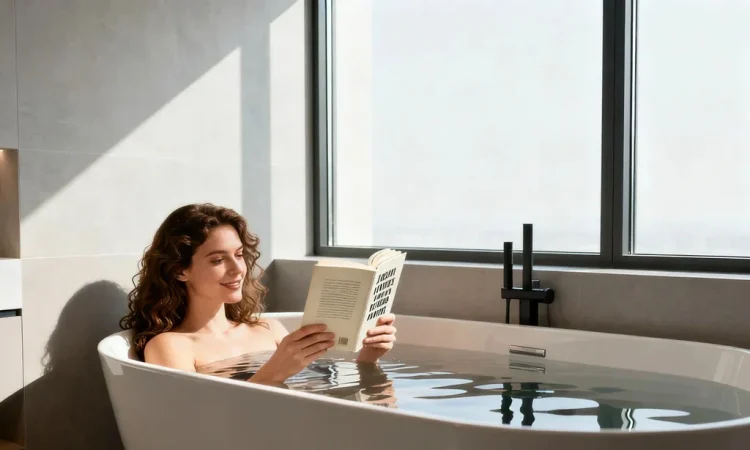
A show-stopping freestanding bathtub is the kind of bathroom upgrade that instantly raises eyebrows, and, potentially, your home’s value. But are they all style and no substance? Top designers agree that these sculptural tubs are much more than a fleeting trend. Here’s what separates myth from reality.
Myth 1: Freestanding Bathtubs Are Just for Show
At first glance, the striking silhouette of a freestanding tub can seem like pure eye candy. But seasoned designers quickly point out that looks only scratch the surface.
Why Design Alone Doesn’t Define Value
A freestanding tub serves as the focal point of the bathroom, but its value goes much deeper. The open design allows for more flexible placement, making it possible to situate your bath wherever it makes the most sense, by a window, in the center of the room, or as part of a spa-like retreat. This freedom means that design can follow function, not just aesthetics.
Functional Benefits Beyond Aesthetics
Beyond beauty, freestanding baths allow for easier cleaning around the tub and better circulation in the room. With no walls to box them in, there’s improved access from multiple angles. For anyone who’s tried to scrub around a built-in tub’s awkward edges, this alone makes a compelling case.
Myth 2: Installation Is Always Difficult and Expensive
Many homeowners are wary of the installation process, picturing plumbing nightmares and open wallets. The reality is far less intimidating.
Modern Plumbing Solutions That Simplify Installation
Advances in bathroom fixtures have made it easier than ever to install freestanding tubs. Plumbing can often be routed beneath the floor or through discreet risers, avoiding the need for costly, invasive construction.
Comparing Installation Costs with Built-in Alternatives
While a freestanding tub might require minor changes to plumbing, built-in tubs often demand even more, framing, tiling, and waterproofing all add up. For many projects, the cost difference is negligible, but the visual impact is on another level.
Myth 3: Freestanding Tubs Consume Too Much Space
A common misperception is that freestanding tubs require vast, sprawling bathrooms.
Space-Saving Designs and Placement Tips
Manufacturers now offer a range of compact freestanding options that fit beautifully into modest bathrooms. Creative placement, like angling a tub or choosing a slimline model, can open up floor space rather than close it off.
How to Integrate Freestanding Tubs in Small Bathrooms
Designers recommend looking at the room as a whole. Sometimes replacing a bulky built-in tub with a sleek freestanding model actually makes the space feel bigger, not smaller.
Myth 4: Maintenance Is Complicated and Time-Consuming
Homeowners worry that sculptural shapes will be difficult to maintain, but smart material choices make a world of difference.
Materials That Make Cleaning Easier
Modern freestanding tubs come in non-porous acrylics, stone composites, and other advanced finishes that resist stains and buildup. Fewer edges and seams mean there are simply fewer places for grime to hide.
Routine Care Tips to Keep Your Tub Looking New
A simple wipe-down after each use, paired with gentle non-abrasive cleaners, will keep most tubs sparkling for years. Regular care, not scrubbing marathons, is key.
Myth 5: Freestanding Tubs Are Not Comfortable for Daily Use
It’s not just about soaking on the weekends. For daily comfort, ergonomics matter.
Ergonomic Designs That Enhance Comfort
Top designers highlight the wide variety of shapes now available, from deep soaker tubs to reclined-back slipper styles. The right model supports your neck and back, transforming a bath into a truly restorative ritual.
How to Choose the Right Shape and Size for You
The best approach is to sit in the showroom models before you buy. Pay attention to height, width, and the angle of recline. Personal preference beats one-size-fits-all advice every time.
Myth 6: They Are Significantly More Expensive Without Added Value
Price tags can be intimidating, but there’s more to the story.
Long-Term Investment Benefits: Durability and Timeless Appeal
Quality freestanding tubs are built to last, and their classic shapes rarely go out of style. Unlike trendy tiles or vanities, a well-chosen tub can remain the centerpiece of your bathroom for decades.
How Freestanding Tubs Can Increase Home Value
Real estate experts and designers agree: a dramatic tub often photographs beautifully, adding a “wow” factor to listings and open houses. This emotional pull can translate to higher offers and faster sales.
Making the Right Choice: Expert Tips from Top Designers
What do designers look for when recommending a freestanding tub? The answer blends style, comfort, and practicality.
What Designers Look for When Recommending Freestanding Tubs
They check for quality materials, ergonomic design, and finishes that are easy to clean. They also ensure the style fits the overall vision for the bathroom.
Matching Style, Function, and Budget for Maximum Satisfaction
Resources like Vasca Design are invaluable for exploring a curated range of options that suit every taste and budget. By balancing aesthetics with day-to-day functionality, you can invest confidently in a bathroom centerpiece that delivers lasting value well beyond first impressions.